

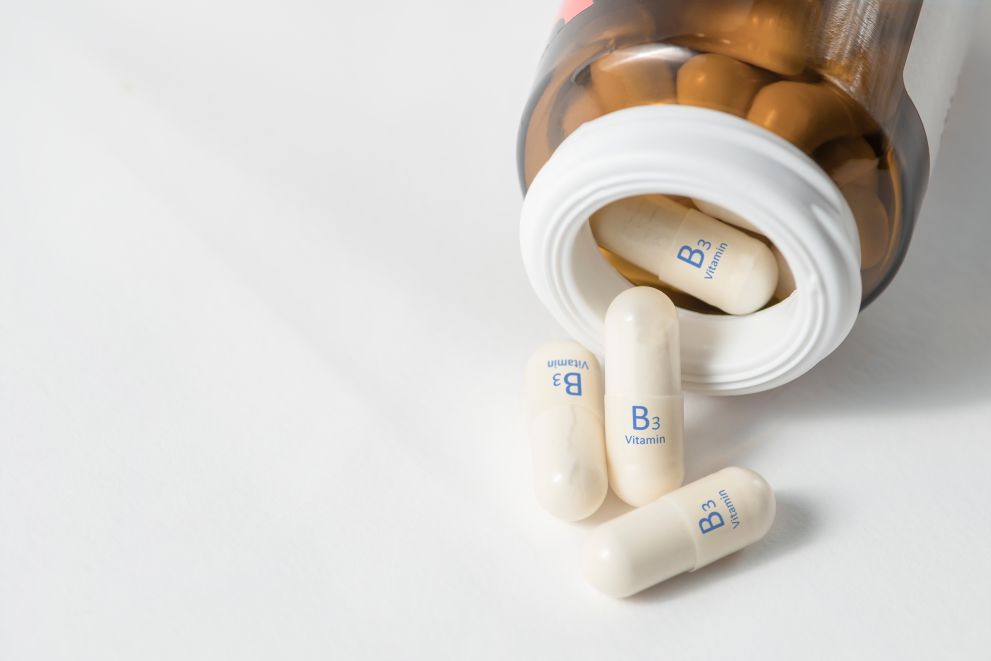
At a glance
Niacinamide and niacin are both forms of vitamin B3, but there are key differences in how they function in the body. Niacin is associated with flushing and is usually preferred for cardiovascular and lipid support, while niacinamide, the non-flushing form, is a popular choice for general vitamin B3 intake and topical skin support.
Niacinamide vs. niacin supplements: What’s the difference, and does it matter which you take?
Both niacinamide and niacin are forms of vitamin B3, an essential nutrient involved in energy production, nervous system function, and cellular repair. However, these two forms behave differently in the body and offer distinct health benefits.
Here’s what you need to know about niacin and niacinamide, how they compare, and how to choose the right option based on your needs and health goals.
What is niacinamide?
Niacinamide, also known as nicotinamide or nicotinic acid amide, is a water‑soluble form of vitamin B3 that serves as a precursor to the coenzymes nicotinamide adenine dinucleotide (NAD+) and nicotinamide adenine dinucleotide phosphate (NADP+).
These coenzymes are required for hundreds of enzymatic reactions throughout the body, including those involved in gene expression, cellular communication, antioxidant defense, energy production, and DNA repair.
As a dietary supplement, niacinamide is often called “no‑flush niacin” because it doesn’t cause the characteristic skin flushing reaction associated with niacin.
Niacinamide is also widely used in topical products because it supports skin barrier function and can help maintain a smoother, more even-looking skin texture.

What is niacin?
Niacin, or nicotinic acid, is the other main supplemental form of vitamin B3. Similar to niacinamide, niacin supports the conversion of NAD+ and NADP+. However, niacin also has unique properties, such as supporting cardiovascular health and normal digestive system function.
Niacin may support digestive health by helping convert food into energy, supporting a balanced inflammatory and microbial environment, and maintaining the integrity of the gut lining.
In addition, niacin’s activation of receptors on immune and skin cells triggers the release of prostaglandins, which relax and dilate blood vessels through a process called vasodilation. This increases blood flow to the skin’s surface and may reduce blood pressure briefly in some people.
This vasodilation is the primary mechanism behind niacin flush symptoms like temporary redness, warmth, and tingling. Flushing is particularly common at higher niacin doses.
While a niacin flush can feel unusual, this is generally considered a short‑lived, harmless side effect in most healthy adults and reflects a temporary increase in skin microcirculation that may help support local blood flow at the skin’s surface.
Research published in the British Journal of Nutrition shows that niacin intake is also associated with lower circulating triglycerides and higher high-density lipoprotein (HDL) cholesterol, also known as “good cholesterol.”
Because of these effects on blood lipids, niacin is often used to help support healthy cholesterol levels and overall cardiovascular function.
Niacinamide vs. niacin supplements: How do they compare?
The difference between niacinamide and niacin comes down to function, tolerance, and intended use.
Both are NAD+ and NADP+ precursors, meaning they contribute to energy production, cellular repair, and the hundreds of essential enzymatic reactions they support.
“Niacin can support circulatory health and lipid metabolism in ways niacinamide does not,” explains Dr. Berg. “When used properly, niacin may also support normal liver fat metabolism.”
However, because niacinamide doesn’t cause flushing, it can be a better choice for those who find niacin flushes uncomfortable but still want to support overall vitamin B3 intake. It’s also beneficial for those interested in potential cosmetic benefits.
Research published in the Journal of Cosmetic Dermatology highlights that topical niacinamide supports a healthy complexion by influencing keratin production, inflammatory signaling, and surface integrity.

How to choose between niacinamide and niacin supplements
Both niacin and niacinamide have distinct strengths. If your main focus is fat metabolism, healthy liver function, or cardiovascular support, niacin may better align with your needs.
If your goal is skin support or simply maintaining adequate vitamin B3 without vasodilatory effects, niacinamide may be the better option. Its tolerability and skin benefits make it a practical choice for support.
Regardless of your choice, when selecting a vitamin B3 supplement, look for products with a transparent safety profile that have undergone third‑party testing by certified organizations to help ensure purity and quality.
Who should be cautious with vitamin B3 supplementation?
Anyone considering vitamin B3 products to treat acne, address high cholesterol levels, manage a suspected niacin deficiency, or who is currently taking medications should consult a healthcare professional for personalized guidance.
While clinical trials have explored the potential benefits of high doses, niacin affects some people differently in larger amounts.
Higher niacin intakes of around 1.5 grams or more per day are generally reserved for clinically supervised use, as they can trigger intense flushing, skin irritation, digestive upset, and temporary changes in blood glucose levels.
They may also be unsuitable for people with a history of stomach ulcers or those taking diabetes drugs. Higher doses are linked to a higher risk of liver damage, particularly with long‑term use of extended‑release formulations.
Because individual needs and responses can vary, it’s best to discuss dosage and duration with a healthcare professional before taking niacin, niacinamide, or adding any new nutritional supplements to your routine.
Key takeaways
- Niacinamide and niacin are both forms of B3 that serve as precursors to NAD+ and NADP+, which are essential coenzymes involved in hundreds of vital enzymatic reactions in the body.
- Niacin benefits primarily include support for healthy blood lipid levels, circulatory function, and normal digestive system health.
- Niacinamide is a non-flushing form of B3 used to support overall vitamin B3 intake. It is also used in cosmetics to support skin health and appearance.
- The choice between niacin and niacinamide depends on your health goals, tolerance for flushing, any medical conditions present, and input from a qualified healthcare professional.
FAQ
- 1. Which is better, niacinamide or niacin?
- 2. Does niacinamide cause flushing like niacin?
- 3. Are niacin and niacinamide interchangeable?
- 4. Is vitamin B3 also niacinamide?
- 5. What foods are naturally high in vitamin B3?
- 6. Are there other precursors to NAD+?


