

At a glance
While red eyes are a normal response to everyday triggers such as fatigue or irritants, they can also be associated with low vitamin B2 levels. By adopting a more nutritious diet and practicing supportive daily habits, you can help maintain a healthy vitamin B2 status, which may support visual comfort and help lessen the likelihood of recurring redness.
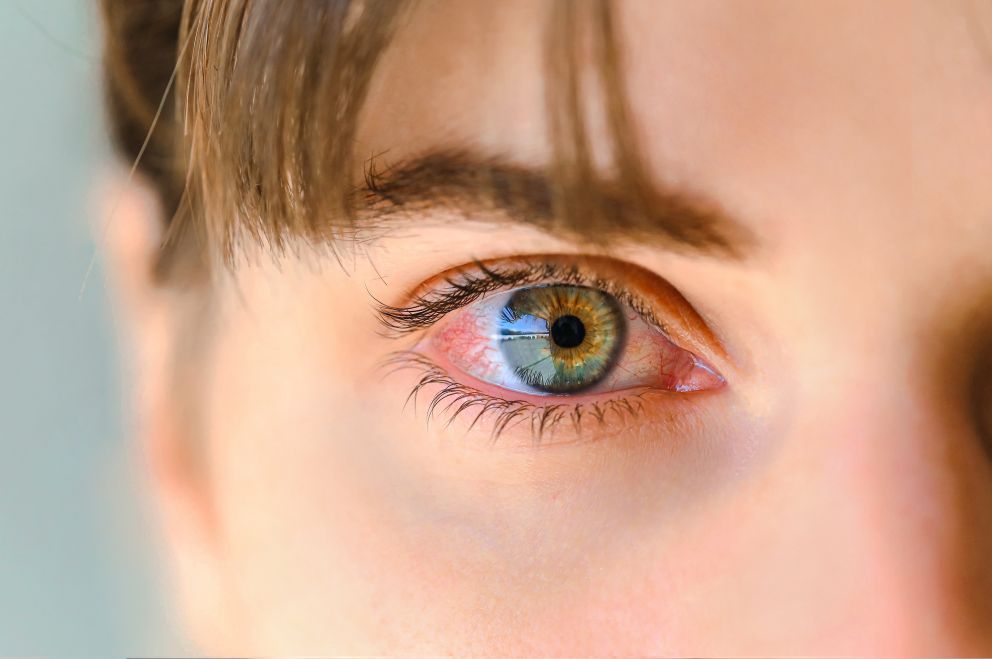
Red eyes can result from numerous factors, including lack of sleep, irritating eye makeup, environmental irritants, and excess sun exposure.
One lesser-known cause of eye redness is a deficiency in vitamin B2, which plays a crucial role in maintaining healthy blood vessels, supporting eye tissues, and protecting the optic nerve.
Discover common causes of a vitamin B2 deficiency and learn about effective natural remedies to manage eye redness.
What vitamin deficiency causes red eyes?
Lack of sufficient vitamin B2, known as riboflavin, is a common but often overlooked cause of bloodshot eyes.
Vitamin B2 is vital for maintaining the structural integrity of blood vessels, including the delicate capillaries in the eyes. Inadequate vitamin B2 can cause these tiny blood vessels to become inflamed or damaged, leading to redness and discomfort.
In addition to supporting vascular health, riboflavin plays a crucial role in energy metabolism and red blood cell production, ensuring adequate oxygen delivery to tissues. Insufficient oxygenation can worsen eye redness and lead to other uncomfortable symptoms.
Riboflavin also aids in the production of glutathione, a powerful antioxidant that protects eye tissues from oxidative stress. Low glutathione levels can increase the risk of irritation, redness, blurred vision, and long-term issues such as cataracts and even vision loss.
Research published in Redox Biology highlights the vital role of riboflavin in maintaining optimal eye health.
The study demonstrates that oxidative stress and metabolic dysregulation caused by riboflavin deficiency can lead to potentially irreversible cellular changes in the retinal pigment epithelium (RPE), a crucial layer of cells supporting retinal health and visual function.
This underscores riboflavin’s importance in preventing retinal degeneration and supporting visual health.
Vitamin B2 deficiency is common, often resulting from inadequate dietary intake or intestinal malabsorption issues. Diets high in refined carbohydrates and excessive intake of processed foods can also increase this risk of deficiency by depleting critical nutrients, including B vitamins.
Watch the video below to learn more about the causes of bloodshot eyes.
Other symptoms of vitamin B2 deficiency
Vitamin B2 deficiency doesn’t just affect your eyes. It can manifest in various ways throughout the body, signaling the need for proper nutritional support.
Common signs and symptoms of vitamin B2 deficiency include:
- Chapped or cracked lips and mouth corners
- Cracked heels
- Oily skin around the nose
- A bright red or swollen tongue
- Sensitivity to light
- Watery or itchy eyes
- Dermatitis
- Sinus-related issues
- Anal fissures
- Myopia
- Migraine headaches
- Fatigue and weakness
These symptoms often overlap with other nutritional deficiencies and health conditions, which explains why accurately diagnosing riboflavin deficiency can be challenging without appropriate testing.
The erythrocyte glutathione reductase activity coefficient (EGRAC) test is among the most reliable methods for diagnosing riboflavin deficiency and assessing long-term vitamin B2 status.
If you are concerned about your nutrient status or are experiencing symptoms indicative of vitamin B2 deficiency, consult a healthcare professional for a comprehensive health evaluation.

Causes of vitamin B2 deficiency
Vitamin B2 deficiency can develop due to various factors, including diet, medical conditions, and lifestyle choices.
Here are three common causes of vitamin B2 deficiency.
1. Inadequate dietary intake
A diet low in animal proteins is one of the primary reasons for vitamin B2 deficiency.
Additionally, a diet high in ultra-processed foods, such as white bread, sugary snacks, and fast food, can contribute to B vitamin deficiencies.
These foods not only lack essential vitamins and minerals but can also promote inflammation and disrupt gut health, which can further hinder nutrient absorption.
Research published by the American Academy of Ophthalmology emphasizes the importance of a nutrient-rich diet that includes adequate amounts of riboflavin for maintaining eye health and preventing vision problems such as light sensitivity and eye discomfort.

2. Excessive consumption of refined grains
Riboflavin deficiency can result from excessive intake of refined grains, such as white bread, pasta, cereals, crackers, and other baked goods.
These foods typically lack natural vitamin B2 and are often fortified with synthetic riboflavin, which isn’t as efficiently utilized by the body.
Moreover, the overconsumption of refined grains can negatively impact intestinal health by promoting gut dysbiosis. This microbial imbalance can impair nutrient absorption and contribute to health issues that perpetuate systemic inflammation, such as leaky gut.
3. Digestive issues
Gastrointestinal conditions such as irritable bowel syndrome (IBS), gut dysbiosis, or celiac disease can impair the absorption of vitamin B2 and other essential nutrients, contributing to deficiencies.
Low stomach acid, often caused by poor dietary habits, stress, or certain medications, including proton pump inhibitors (PPIs), can also significantly contribute to nutrient malabsorption and exacerbate vitamin B2 deficiency.
The best sources of vitamin B2
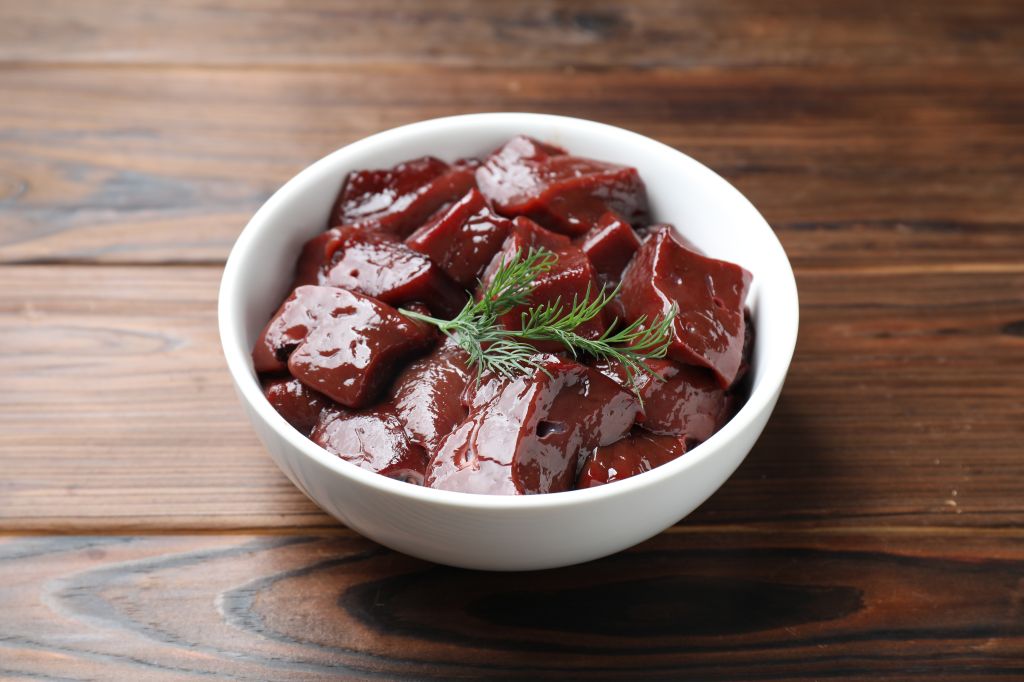
A balanced diet consisting of plenty of vitamin B2-rich foods is essential for maintaining healthy eyes and preventing eye redness.
Top food sources of vitamin B2 include:
- Grass-fed and grass-finished organ meats
- Beef
- Poultry
- Seafood
- Pasture-raised eggs
- Grass-fed dairy products
- Organic, non-fortified nutritional yeast
- Brewer’s yeast
- Organic, non-genetically modified (GMO) green vegetables
While vitamin B2 is present in a variety of foods, vegans, vegetarians, and individuals with certain medical conditions may struggle to meet their vitamin B2 needs and may benefit from taking a high-quality supplement to ensure adequate intake.
“If you’re dealing with chronic bloodshot or irritated eyes linked to a vitamin B2 deficiency, aim for a riboflavin intake of around 400 milligrams daily,” explains Dr. Berg. “This higher dose can help bypass absorption issues and ensure your eyes get enough support to help calm persistent redness.”

Tips for managing red eyes
While occasional eye redness isn’t unusual, regularly needing eye drops to ease discomfort may indicate the need for lifestyle adjustments in addition to maintaining optimal vitamin B2 levels.
Here are three effective strategies to help reduce eye irritation and promote healthy vision.
1. Avoid excessive screen time
Artificial light from digital screens, such as those on computers or cell phones, can strain your eyes, causing redness and even blurry vision in severe cases.
To support healthy vision, take regular breaks throughout the day and aim for at least one hour of long-distance viewing.
You can accomplish this by going outside for a walk, spending time in the garden, or engaging in outdoor activities that allow your eyes to focus on distant objects.
Long hours at the computer can destroy your vision and worsen red or irritated eyes.
If your job requires excessive screen time, try following the 20-20-20 rule: every 20 minutes, look at an object at least 20 feet away for 20 seconds. This practice allows your eyes to relax and can help reduce eye strain.
Additionally, you can reduce eye strain by adjusting your screen brightness and enabling night mode settings to decrease blue light exposure. Wearing high-quality blue-light-blocking glasses while using the computer may also help prevent eye fatigue and associated vision problems.

2. Stay hydrated and well-rested
Simple measures such as drinking enough water, getting quality sleep, and taking regular breaks from screens can help prevent your eyes from experiencing strain that can trigger or worsen eye redness.
3. Practice good eye hygiene
Practicing proper eye hygiene helps lower the risk of eye infections and may reduce inflammation and irritation that can lead to redness.
To reduce exposure to irritants such as smoke, dust, animal dander, or pollen, consider using an air purifier, keeping windows closed during high pollen seasons, and avoiding environments with excessive pollutants.
If you wear contact lenses, practice meticulous hygiene by cleaning and replacing them regularly according to your optometrist’s recommendations. Always wash your hands before handling lenses to prevent introducing bacteria or other contaminants to your eyes.
Additionally, ensure that fabrics and accessories that come into close contact with your eyes, such as pillows, pillowcases, bed sheets, towels, glasses, and sleep masks, are washed frequently to eliminate potential irritants and allergens.
When to talk to your doctor
Information related to red eyes should be discussed with a healthcare provider to determine treatment suitability based on individual health needs.
While red eyes are often harmless, persistent or severe cases may indicate a serious condition that requires medical attention.
Symptoms, including severe eye pain or sudden vision changes, can signal issues such as a corneal ulcer, retinal detachment, or severe eye infection. If you notice a broken blood vessel along with vision changes or pain, seek medical care immediately.
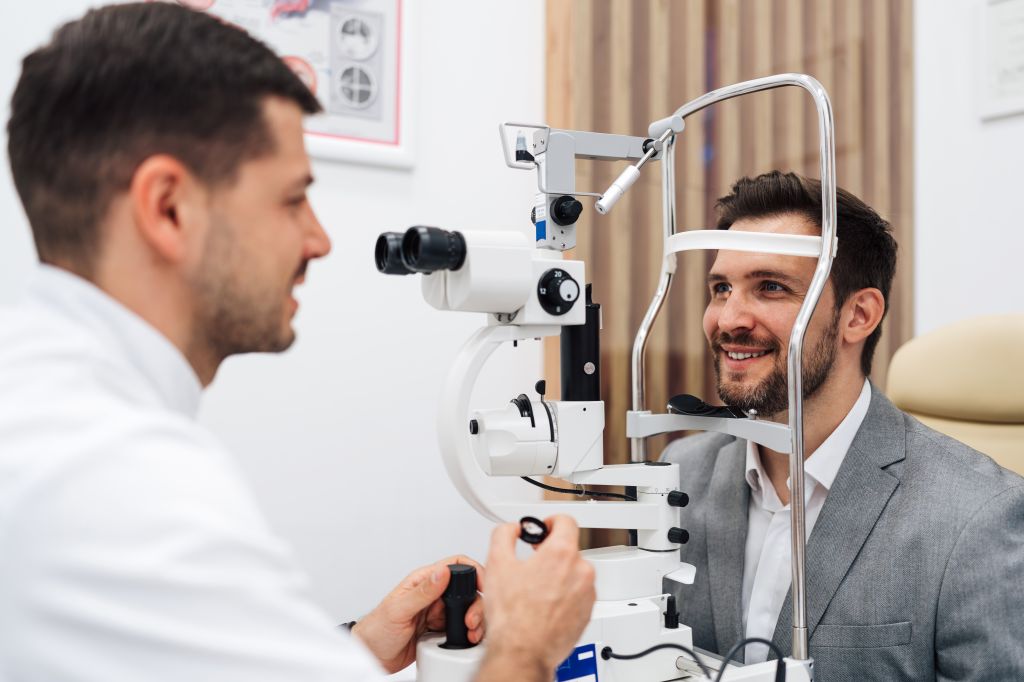
It’s also essential to consult an eye doctor if you experience chronic redness that doesn’t improve, painful irritation, sensitivity to light, or signs of infection, such as persistent discharge.
Recommendations made by the National Eye Institute (NEI) suggest that regular eye examinations are essential for detecting potential vision problems early.
This is particularly important if you wear contact lenses, have a history of broken blood vessels in your eyes, are over the age of 60, are African American and over the age of 40, or have a family history of glaucoma.
Key takeaways
- Red eyes can be associated with low vitamin B2 levels, as riboflavin supports blood vessel integrity, antioxidant protection, and overall eye comfort.
- Vitamin B2 deficiency may also contribute to other symptoms, including cracked lips, sensitivity to light, watery or irritated eyes, skin issues, and general fatigue.
- Eating vitamin B2–rich foods, such as grass-fed organ meats, pasture-raised beef, eggs, dairy, wild-caught seafood, and organic non-fortified nutritional yeast, helps support healthy B2 status and visual comfort.
- Limiting screen time, getting adequate sleep, staying hydrated, and practicing good eye hygiene can further help ease eye redness and promote more comfortable vision.
FAQ
- 1. What are red eyes a symptom of?
- 2. Can a vitamin deficiency cause red eyes?
- 3. Do red eyes mean you’re sick?
Sources
- Sinha T, Ikelle L, Makia MS, et al. Riboflavin deficiency leads to irreversible cellular changes in the RPE and disrupts retinal function through alterations in cellular metabolic homeostasis. Redox Biol. 2022;54:102375. https://pmc.ncbi.nlm.nih.gov/articles/PMC9233280/
- Nutrients for Eye Health and Disease Management – EyeWiki. eyewiki.org. Accessed 2026. https://eyewiki.org/Nutrients_for_Eye_Health_and_Disease_Management
- Get a Dilated Eye Exam | National Eye Institute. National Institutes of Health. Accessed 2026. https://www.nei.nih.gov/eye-health-information/healthy-vision/finding-eye-doctor/get-dilated-eye-exam
Related Articles
-
6 Benefits of Vitamin E
 Nutrition
6 Benefits of Vitamin E
At a glance Vitamin E is a fat-soluble vitamin and a powerful antioxidant that protects cells against oxidative stress, free radical damage, and inflammation, all of which contribute to poor…07/03/2026 -
Nitric Oxide and Viagra: What’s the Connection?
 Health concerns
Nitric Oxide and Viagra: What’s the Connection?
At a glance Nitric oxide is a key signaling molecule that relaxes blood vessels, improves circulation, and supports sexual functions. Viagra works by prolonging the effects of nitric oxide, which…03/19/2026 5.9k views -
How to Get Rid of Toenail Fungus – 3 Natural Solutions
 Health concerns
How to Get Rid of Toenail Fungus – 3 Natural Solutions
At a glance Toenail fungus is a common nail infection often linked to environmental exposure to infectious microbes, nail injury, and poor metabolic or immune health. Natural topical solutions and…03/13/2026 33.6k views -
How to Kill Parasites: 7 Natural Tips
 Health concerns
How to Kill Parasites: 7 Natural Tips
At a glance Parasitic infections occur when worms or protozoa colonize the body, often through exposure to contaminated pets, food, or water. These organisms can interfere with digestion and other…03/13/2026 15.1k views -
HPV Skin Tags: Causes and What to Do
 Health concerns
HPV Skin Tags: Causes and What to Do
At a glance While both skin tags and warts can be linked to human papillomavirus (HPV), they differ in appearance and how they affect the body. Targeted dietary and lifestyle…03/13/2026 16.6k views -
4 Asthma Remedies to Try at Home
 Health concerns
4 Asthma Remedies to Try at Home
At a glance Asthma is a chronic inflammatory condition that narrows the airways and makes breathing difficult, especially during asthma attacks. While conventional care is often necessary, natural asthma remedies…03/06/2026 17.6k views -
Too Much Keto Weight Loss? What to Do If You’re Too Skinny
 Diet
DietToo Much Keto Weight Loss? What to Do If You’re Too Skinny
At a glance Keto weight loss often occurs rapidly during the early adaptation phase, primarily due to fluid loss rather than immediate fat reduction. While fat loss is expected, ongoing…03/06/2026 10.2k views -
How to Ease a Sore Throat Quickly Using Acupressure
 Health concerns
How to Ease a Sore Throat Quickly Using Acupressure
At a glance Acupressure offers a simple, hands-on approach to promoting physical comfort, which may help soothe sore throat pain. While it’s not a substitute for a medical evaluation, acupressure…02/27/2026 25.2k views -
What Causes Pale Colored Stool?
 Health concerns
What Causes Pale Colored Stool?
At a glance Pale-colored stool can be linked to low bile flow, low-fat diets, alcohol use, infections, or underlying liver, gallbladder, or pancreatic issues. Supporting gallbladder function through a nutritious…02/26/2026 14.9k views -
Can Low Vitamin D Cause Depression in Teenagers?
 Vitamins
Can Low Vitamin D Cause Depression in Teenagers?
At a glance Vitamin D is essential for brain health, and low levels in teenagers may increase the risk of depression. Insufficient sunlight exposure and poor dietary habits can contribute…02/26/2026 10.8k views


