

At a glance
Painful, heavy menstrual periods are often linked to estrogen dominance influenced by high-carbohydrate diets, dairy intake, and hormonal contraceptives. Adopting a ketogenic diet, consuming targeted nutrients, and choosing non-hormonal birth control methods are practical, natural tips for heavy periods that can help restore balance.
Heavy periods can disrupt daily life with painful cramps, intense bleeding, and symptoms that make it difficult to work, exercise, or rest comfortably.
While occasional cycle fluctuations can occur, excessive menstrual bleeding is often linked to underlying hormonal imbalances, poor dietary habits, or structural irregularities, such as fibroids or polyps.
Explore key causes of menstrual discomfort and excessive bleeding, and discover natural tips for heavy periods.
What are heavy periods?
Heavy periods, also referred to as menorrhagia, are medically defined as losing more than 80 ml of blood per menstrual cycle or experiencing bleeding that disrupts daily life.
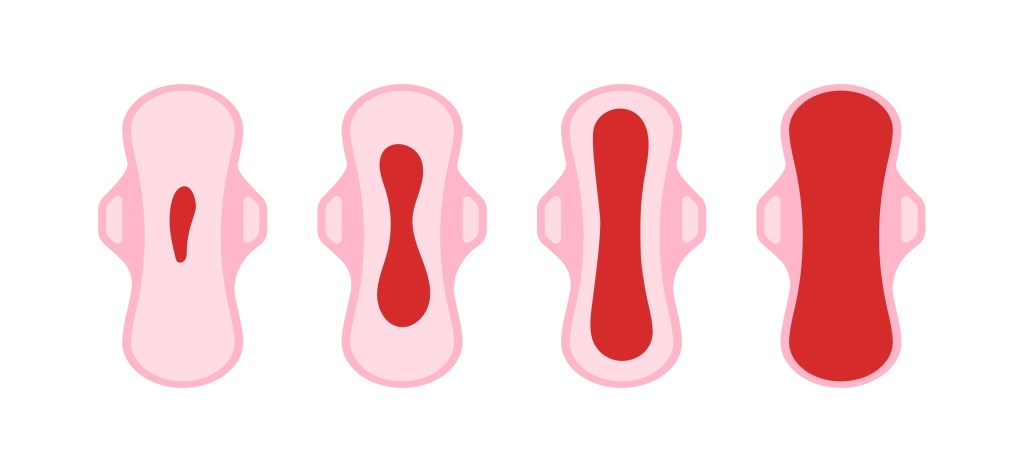
Women with heavy periods may need to change their pad or tampon hourly or empty their menstrual cup more frequently than recommended, pass large blood clots, or have to utilize multiple products to prevent leaking.
Needing to change pads overnight, experiencing painful cramps, and having periods that last longer than seven days are also hallmarks of heavy menstrual bleeding.
According to the Centers for Disease Control and Prevention (CDC), a heavy menstrual period is one of the most common female reproductive health concerns, affecting approximately one in five American women.
Watch the video below to learn how to manage heavy, painful periods.
Common causes of heavy periods
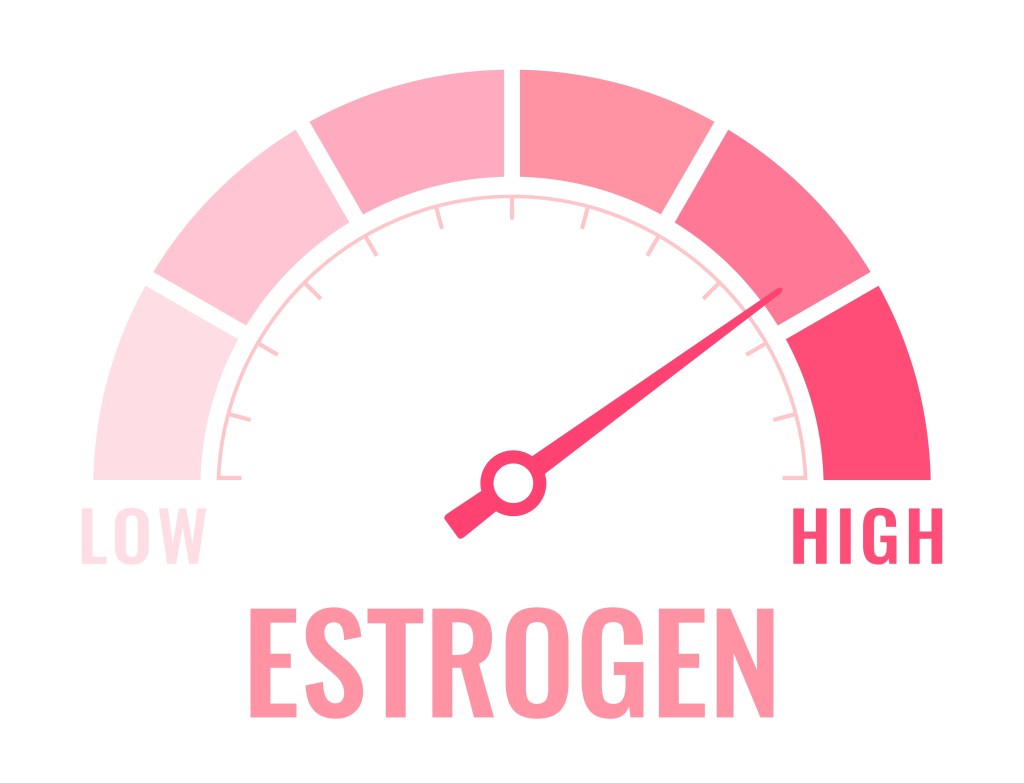
Estrogen dominance, a condition in which estrogen levels are elevated, especially in relation to progesterone, is a primary cause of heavy periods.
This hormonal imbalance causes the uterine lining to become thicker, leading to excessive blood flow and large blood clots during menstruation.
Elevated insulin levels, often associated with a high-carb diet and ultra-processed foods, as well as the consumption of soy and other potentially estrogenic foods, are key contributors to increased estrogen levels.
In many individuals, these foods and regular insulin spikes stimulate the body to produce more estrogen and slow its clearance, which raises overall levels.
Additionally, hormonal birth control pills or intrauterine devices (IUDs) are associated with heavier menstrual flow, abdominal cramping, and breakthrough bleeding, which is also known as unscheduled vaginal bleeding.
A study published in the Cochrane Library found that heavy periods, pain, and irregular menstruation are common reasons women discontinue levonorgestrel and copper IUD use.
Nutritional deficiencies may also contribute to irregular periods. Deficiencies in B vitamins, vitamin K2, iron, magnesium, and other essential nutrients can impair proper blood clotting, disrupt hormone balance, and affect uterine function.
Signs heavy bleeding may need attention
While painful periods are typically the result of hormonal imbalances, a heavy flow can sometimes point to more serious conditions.
In some cases, bleeding believed to be an unusually heavy period may be linked to pregnancy complications. This includes miscarriages or ectopic pregnancies, which occur when a fertilized egg implants into the fallopian tubes instead of the womb.
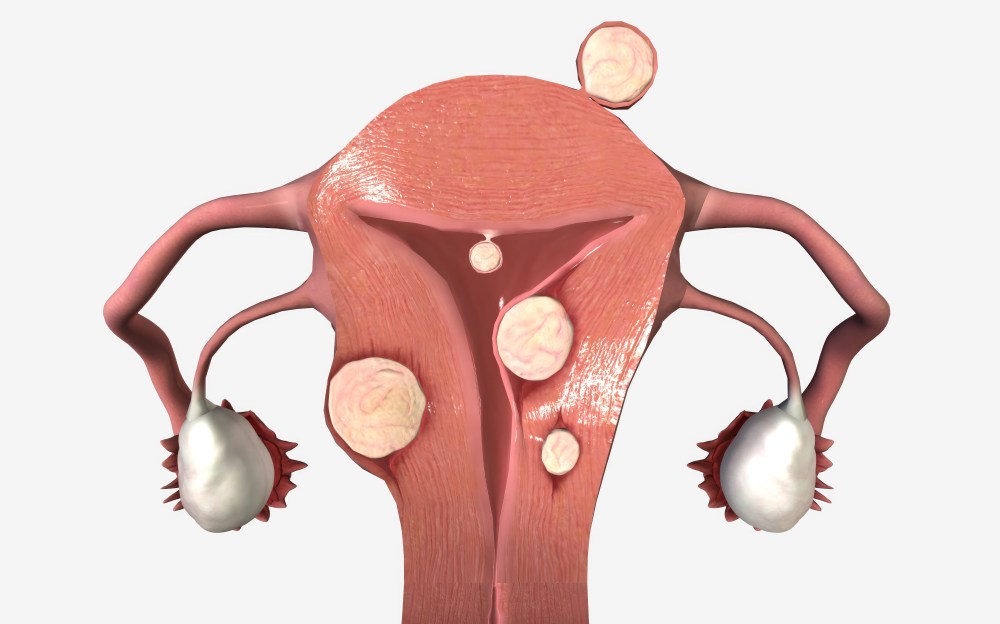
Noncancerous uterine conditions, such as polyps, fibroids, and adenomyosis, can also contribute to heavy bleeding in many women. However, in rare cases, abnormal bleeding may indicate uterine, cervical, or ovarian cancer.
Genetic bleeding disorders, such as von Willebrand disease, can also contribute to heavy menstrual bleeding. These disorders inhibit coagulation, leading to prolonged bleeding, easy bruising, and unusually heavy vaginal blood flow.
Additionally, sexually transmitted infections (STIs), including chlamydia or gonorrhea, inflame the cervix, causing bleeding that resembles a period.
If you’re noticing prolonged or abnormal bleeding, especially if pregnancy is possible, you have a family history of uterine conditions or cancer, or you may have been exposed to an STI, contact your healthcare provider for evaluation.
How hormones influence menstrual flow
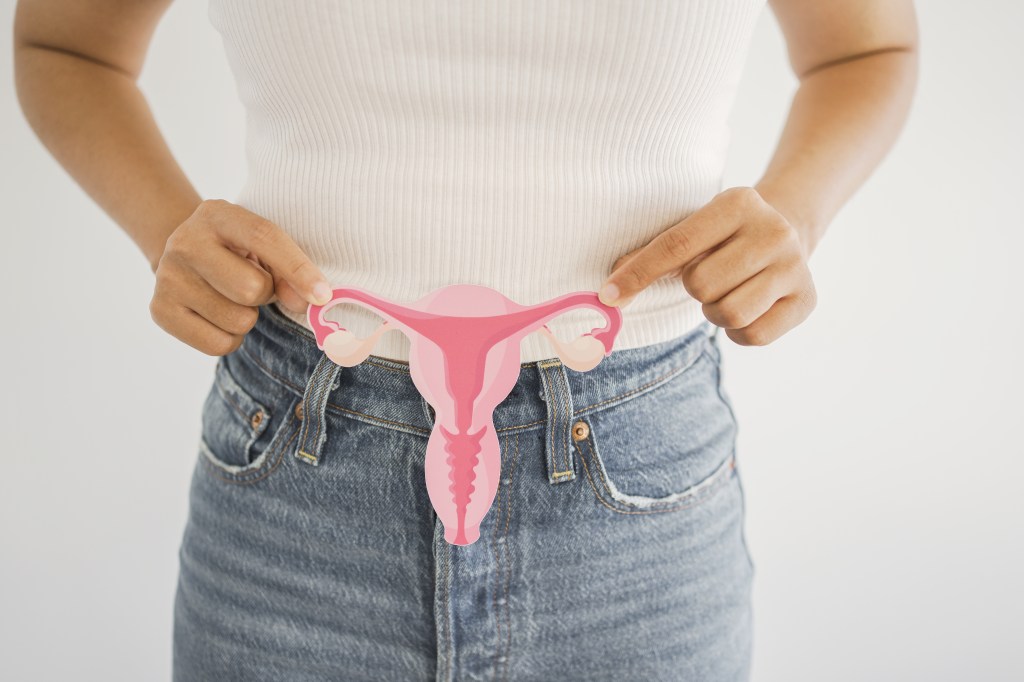
Estrogen and progesterone regulate the menstrual flow by controlling the thickening and shedding of the endometrium, or the uterine lining.
Follicle-stimulating hormone (FSH) and luteinizing hormone (LH) are also involved in the menstrual cycle.
In combination, these hormones regulate all phases of the menstrual cycle, including:
- Follicular phase
- Ovulation
- Luteal phase
- Menstruation
The follicular phase begins when the pituitary gland releases FSH, which stimulates ovarian follicles to grow and produce estrogen. Estrogen thickens the uterine lining and enriches it with nutrients in anticipation of a pregnancy.
A dramatic rise in LH triggers the release of an egg from a follicle for fertilization, a process known as ovulation.
During the luteal phase, the ruptured follicle from ovulation develops into the corpus luteum, which produces progesterone and prepares the uterine lining for implantation.
If the egg isn’t fertilized, the corpus luteum degenerates, causing estrogen and progesterone to decline and signaling the uterus to shed its thickened lining.
The hormones that regulate the menstrual cycle also influence the volume of bleeding. Excess estrogen produces a thicker endometrium and heavier bleeding, while low estrogen results in a thin lining and lighter periods.
Additionally, an imbalance of FSH and LH can prevent regular ovulation, leading to irregular periods and bleeding patterns.
5 tips for heavy periods
Heavy periods can be painful, disruptive, and impact your physical and emotional well-being.
However, medications and hormones typically used to treat heavy periods can cause side effects, such as headaches, acne, breast tenderness, mood changes, weight gain, or even loss of periods altogether.
Here are five strategies for managing heavy menstrual bleeding.
1. Avoid dairy products
Dairy products derived from pregnant cows contain hormones, including estrogen and insulin-like growth factor 1 (IGF-1), which are structurally similar to those found in the human body.
These hormones can increase insulin levels and contribute to hormonal imbalances, potentially exacerbating hormone-sensitive conditions such as polycystic ovarian syndrome (PCOS) and estrogen dominance.
A study published in Pediatrics International demonstrated that hormones in milk have measurable endocrine effects on men, women, and children.
The researchers found that, “After the intake of cow milk, uterine concentrations of E1, estradiol, estriol, and pregnanediol significantly increased in all adults and children. In four out of five women, ovulation occurred during the milk intake.”
For women prone to heavy bleeding, exogenous hormone exposure may further disrupt cycle regularity. Removing dairy from your diet may be an excellent strategy to support hormonal balance and menstrual health.
2. Prioritize key nutrients
Vitamin B6, vitamin B12, and folate, found in organ meats, fatty fish, and eggs, aid in liver detoxification and support estrogen and progesterone balance.
B vitamins are also crucial for neurotransmitter production, helping to regulate mood during menses.
Vitamin K2, found in foods such as sauerkraut, eggs, and fatty meats, is essential for blood coagulation, which helps control menstrual flow.
Animal sources of iron, such as red meat, are also essential for women experiencing heavy periods, as they boost energy and reduce the risk of anemia by replenishing red blood cells.
Additionally, magnesium, found in foods such as leafy greens, avocados, and dark chocolate, helps relax uterine muscles and eases cramps.
3. Explore natural birth control methods
Natural birth control can support pregnancy prevention without introducing synthetic hormones that often contribute to hormonal imbalances and heavy bleeding.
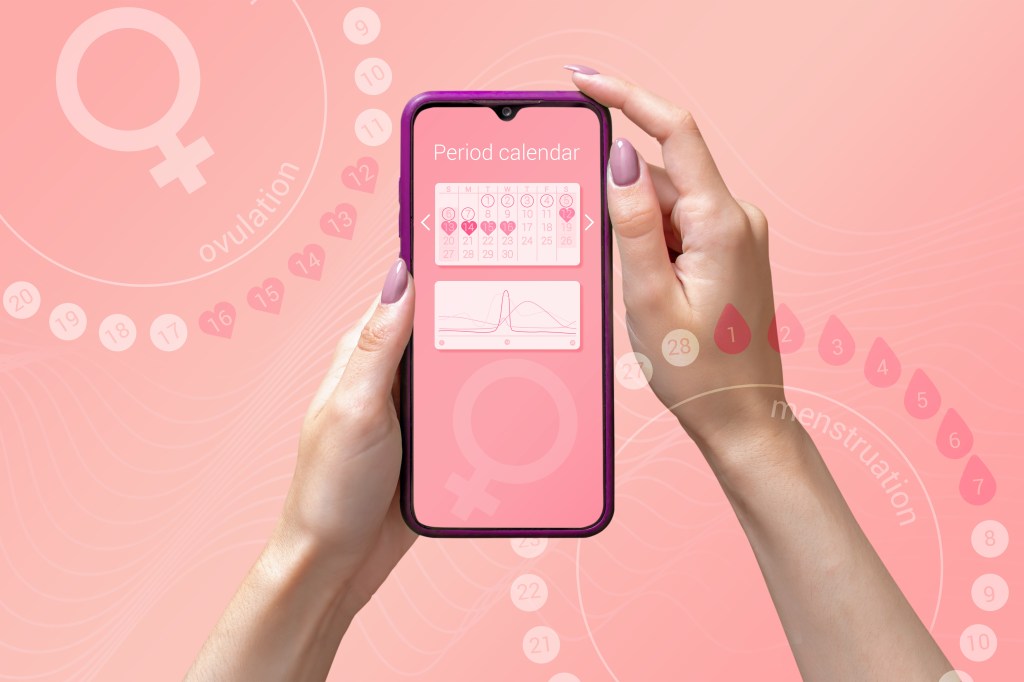
These approaches typically include tracking ovulation through basal body temperature and menstrual cycle patterns, then avoiding sex or using barrier protection during the fertile window.
According to the UK’s National Health Service (NHS), tracking ovulation is between 91 and 99 percent effective at preventing pregnancy, making it a viable, non-hormonal option for women seeking contraception and hormonal balance.
4. Follow a nutritious ketogenic diet
Keto is a low-carbohydrate, high-fat diet that reduces insulin demand by stabilizing blood sugar levels.
Chronic elevation of insulin can stimulate ovarian androgen production and suppress sex hormone-binding globulin (SHBG), thereby increasing circulating free estrogen. These shifts contribute to hormonal imbalances, which can worsen heavy menstrual bleeding.
By lowering insulin levels and balancing estrogen and testosterone levels, a nutritious ketogenic diet such as Healthy Keto® may help minimize excessive endometrial growth, resulting in a lighter and more manageable menstrual flow.
5. Regularly consume cruciferous vegetables
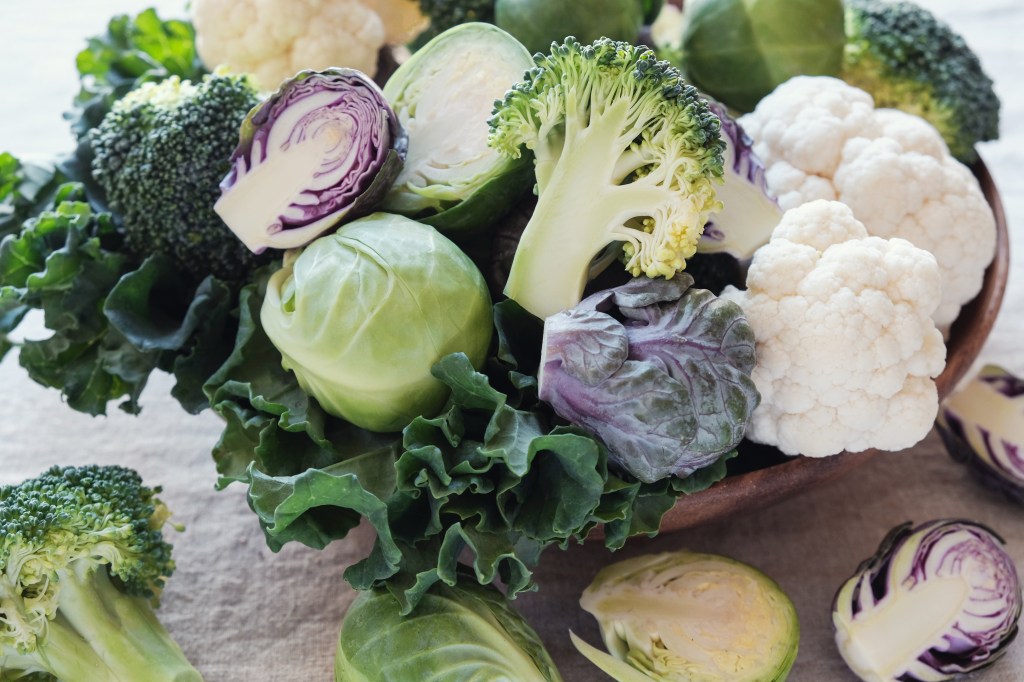
Cruciferous vegetables, such as broccoli, Brussels sprouts, cauliflower, cabbage, and kale, can support estrogen balance and enhance the liver’s detoxification pathways.
These keto-friendly vegetables are rich in bioactive compounds that influence hormone metabolism, helping the body process and eliminate estrogen more efficiently.
“Cruciferous vegetables contain indole-3-carbinol (I3C) and diindolylmethane (DIM) that help the liver break down and clear excess estrogen,” explains Dr. Berg. “Improved estrogen metabolism can support hormonal balance and ease heavy menstrual flow.”

When to seek medical guidance
If you’re bleeding for a prolonged duration, experience painful cramping, or lose so much blood that you begin showing signs of anemia, contact your healthcare provider.
Persistent heavy flow can signal an underlying condition, such as uterine fibroids or bleeding disorders. A clinician can evaluate your symptoms, perform a physical exam, recommend blood tests, and identify treatment options.
Standard treatment options typically involve hormonal therapies, IUDs, or surgical treatment, such as endometrial ablation or fibroid removal.
In addition, your doctor can guide you toward supportive dietary and lifestyle changes to regulate hormones and promote menstrual health without resorting to conventional treatments.
Key takeaways
- Heavy periods are defined by 80 ml of blood loss per cycle, often due to estrogen dominance, high-carb diets, hormonal birth control pills, or nutrient deficiencies.
- Following a Healthy Keto diet and consuming cruciferous vegetables helps balance insulin and estrogen levels, supporting liver detoxification pathways and menstrual wellness.
- B vitamins, vitamin K2, iron, and magnesium are essential for maintaining period health and can be obtained by eating fatty meats, fish, leafy greens, sauerkraut, and eggs.
- Tracking ovulation or using barriers such as condoms can effectively prevent pregnancy without hormone manipulation.
FAQ
1. What counts as a heavy period?
Heavy periods are defined as losing more than 80 ml per cycle or experiencing symptoms such as soaking through feminine products hourly, passing large clots, or requiring nighttime changes.
Periods that interfere with daily life, last longer than seven days, or are accompanied by anemia, fatigue, dizziness, or shortness of breath, are also classified as heavy periods.
2. What causes heavy menstrual bleeding?
Heavy menstrual bleeding often results from hormonal imbalances, contraceptive pills, and devices that alter estrogen and progesterone levels. When estrogen becomes dominant, the uterine lining thickens, leading to heavier and more extended menstrual periods.
However, excessive bleeding can also signal underlying conditions, such as sexually transmitted infections (STIs), pregnancy complications, bleeding disorders, fibroids, polyps, or other cancerous and noncancerous growths.
3. Can diet affect period flow?
Yes, dietary habits can influence hormones that affect period flow. Foods that increase estrogen, such as soy, dairy, and ultra-processed foods, may contribute to estrogen dominance.
Additionally, high-carb diets can elevate insulin levels, disrupting hormonal balance and increasing menstrual flow in some women.
4. What are the best natural ways to stop heavy periods?
To naturally reduce menstrual bleeding, focus on a nutrient-dense ketogenic diet rich in cruciferous vegetables and foods high in B vitamins, K2, iron, and magnesium, which support hormone balance, normal clotting, and estrogen metabolism.
Additionally, avoiding dairy products and using non-hormonal birth control methods, such as tracking ovulation or using condoms, can support hormonal balance and menstrual wellness.
Sources
- https://www.cdc.gov/female-blood-disorders/
- https://pmc.ncbi.nlm.nih.gov/articles/PMC9413853/
- https://pubmed.ncbi.nlm.nih.gov/19496976/
- https://www.nhs.uk/contraception/
Related Articles
-
What Are the Best Foods to Shrink Fibroids?
 Health concerns
What Are the Best Foods to Shrink Fibroids?
At a glance Uterine fibroids are benign growths influenced by estrogen dominance and inflammation. Dietary changes can play a crucial role in managing fibroids, and certain nutrient-dense foods can help…12/23/2025 12.9k views -
Top Causes of Hair Loss and Natural Solutions
 Health concerns
Top Causes of Hair Loss and Natural Solutions
At a glance Hair loss can result from stress, hormonal imbalances, nutrient deficiencies, genetic predisposition, and damage to the scalp or follicles. Understanding the top causes of hair loss and…04/09/2025 49.9k views -
Prostate Enlargement: Causes and Symptoms
 Health concerns
Prostate Enlargement: Causes and Symptoms
At a glance Prostate enlargement is a common condition characterized by prostate tissue growth and various urinary symptoms that generally affects older men. While typically benign, untreated prostate enlargement can…04/09/2025 31.1k views -
Hormonal Acne Diet Tips, Causes, and Remedies
 Health concerns
Hormonal Acne Diet Tips, Causes, and Remedies
At a glance Hormonal acne can be influenced by various lifestyle factors, including high-carb eating, chronic stress, and certain food sensitivities. Supportive dietary and lifestyle strategies can help promote clearer,…04/09/2025 39.6k views -
Pregnenolone: Benefits and Side Effects
 Health concerns
Pregnenolone: Benefits and Side Effects
At a glance Pregnenolone supports the production of all major steroid hormones in the body. Maintaining balanced pregnenolone levels is vital for brain health, energy, stress resilience, and hormonal stability,…04/09/2025 6.3k views -
Best and Worst Foods to Have on Your Period
 Health concerns
Best and Worst Foods to Have on Your Period
At a glance The foods you eat can influence how your body feels and functions during menstruation. While nutrient-dense whole foods support hormonal balance and replenishment, certain choices, such as…04/09/2025 9.7k views


