

At a glance
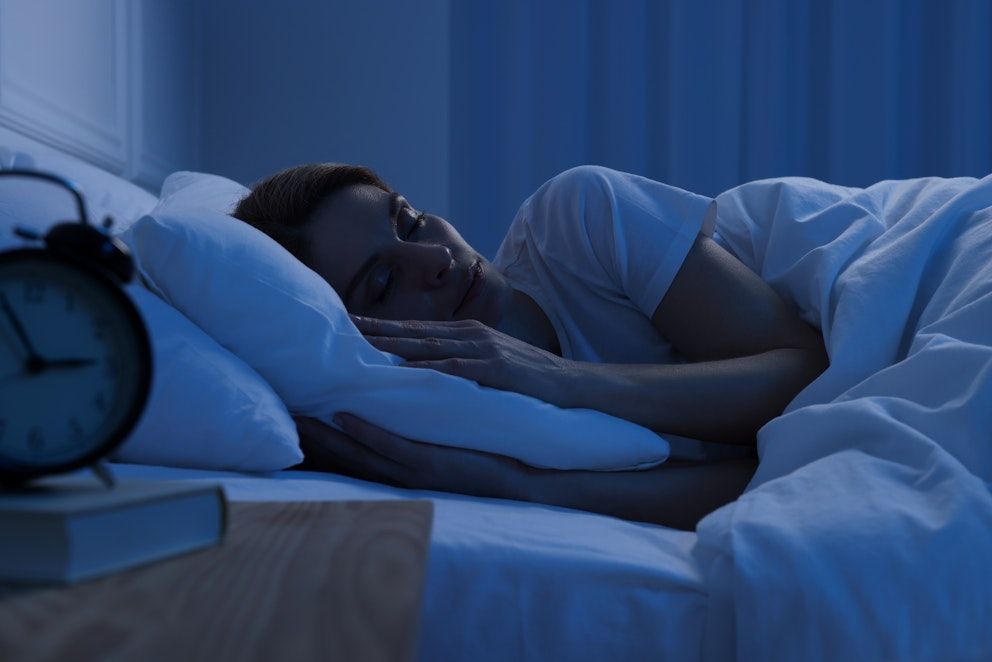
Tryptophan is the precursor to melatonin, the body’s primary sleep-regulating hormone. Supporting balanced tryptophan levels can help improve sleep quality and promote relaxation, without the potential health risks associated with long-term use of melatonin supplements.
Tryptophan is an amino acid that serves, among many other functions, as a precursor to melatonin, the body’s primary sleep-inducing hormone.
Learn how to improve sleep quality with tryptophan and learn why taking this essential amino acid is often a better option for long-term sleep health than melatonin supplements.
What is tryptophan?
Tryptophan, also known as L-tryptophan, is one of the nine essential amino acids, meaning the body cannot synthesize it and must obtain it through protein-rich foods to maintain optimal levels.
In addition to being used for protein and neurotransmitter production, tryptophan also helps maintain muscle mass and supports basic metabolic functions, including energy-making processes.
Adequate intake of this amino acid has been linked to enhanced stress resilience, better mood regulation, improved appetite and hunger control, and emotional well-being.
These potential health benefits are believed to be linked to tryptophan’s role as a precursor to serotonin and melatonin. These neurotransmitters and hormones are essential for maintaining mood stability, promoting healthy circadian rhythms, regulating stress, and facilitating balanced appetite signaling.
In addition, increasingly more tryptophan research is being conducted to explore its role in supporting sleep quality and mental health, with promising therapeutic indications.
Watch the video below to learn why tryptophan may be better for sleep support than melatonin.
Does tryptophan improve your sleep?
Yes, tryptophan can help improve sleep due to its role in supporting steady serotonin levels, which play an essential role in regulating the nervous system and sleep cycles.
In addition, balanced production of serotonin promotes relaxation and a sense of calmness, which can make falling asleep easier and support more restful sleep.
The body also directly converts serotonin into melatonin, a critical hormone responsible for promoting sleep and maintaining a steady sleep-wake rhythm.
A study published in Nutrients investigated the effects of tryptophan on sleep quality and summarized, “Tryptophan has been shown to have direct effects on sleep, producing an increase in rated subjective sleepiness and a decrease in total wakefulness.”
Low levels of tryptophan can cause imbalances in serotonin and melatonin production, which may lead to poor sleep, increased nighttime wakefulness, and greater difficulty managing stress.
Is tryptophan better than melatonin for sleep?
Melatonin is produced in the brain’s pineal gland and is also available in supplemental form, often used as a sleep aid by those seeking to reduce the time it takes to fall asleep.
While this can be effective in the short term, overuse of dietary supplements containing melatonin can blunt melatonin receptors, potentially leading to difficulty falling asleep and increasing the risk of other sleep disturbances.
In contrast, tryptophan serves as a precursor to melatonin. This supports the body’s natural hormonal balance, promotes balanced sleep-wake cycles, and may enhance overall sleep quality without the risk associated with long-term melatonin use.
In addition, taking melatonin in combination with certain antidepressants, including tricyclic antidepressants and selective serotonin reuptake inhibitors (SSRIs), can disrupt serotonin balance and increase the risk of a rare but potentially serious medical condition called serotonin syndrome.
Research published in the Canadian Family Physician found that tryptophan can increase serotonin levels while posing a low risk of serotonin syndrome when consumed in appropriate amounts.
This suggests that tryptophan offers a gentler and potentially safer way to support restorative sleep than taking melatonin supplements.
The best sources of tryptophan
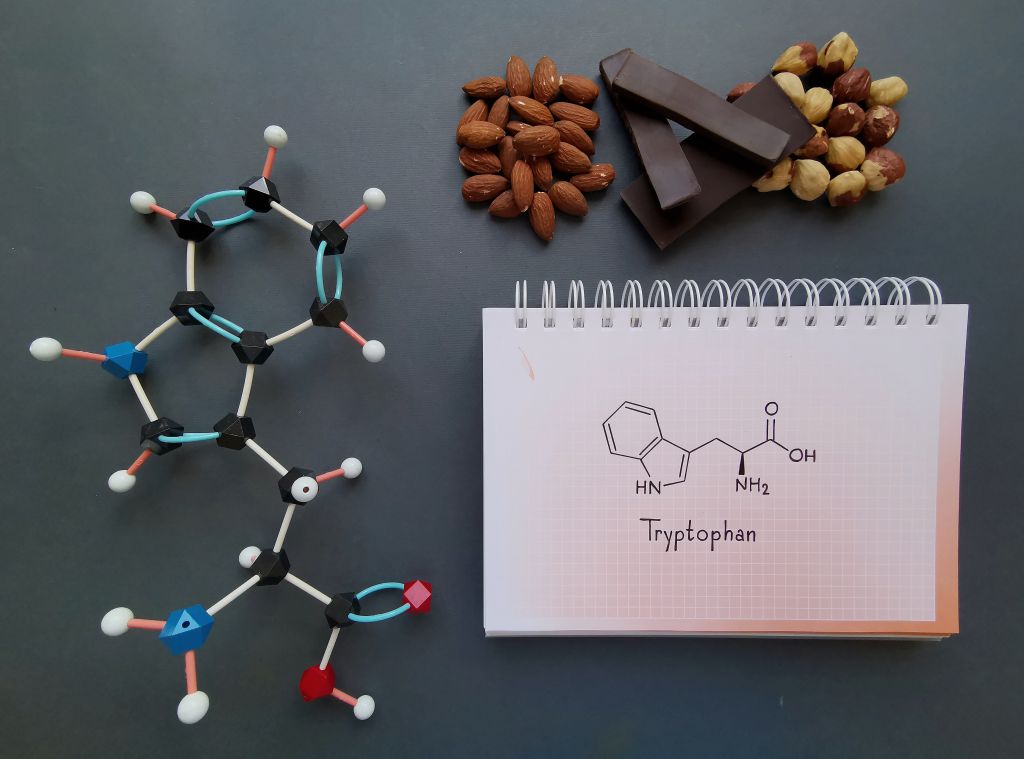
Tryptophan can naturally be found in many foods, including turkey, chicken, beef, pork, fish, eggs, and dairy products.
It can also be obtained from plant-based protein sources such as tofu, miso, sesame seeds, pumpkin seeds, almonds, walnuts, and even dark chocolate in small amounts.
While dietary tryptophan can readily be used for muscle tissue maintenance and metabolic functions, it must enter the brain to be converted into melatonin and exert its sleep-supportive effects.
“Dietary tryptophan competes with other amino acids naturally present in foods for transport across the blood-brain barrier and only a fraction actually reaches the brain,” explains Dr. Berg. “This limits its conversion into melatonin and reduces the potential beneficial effects of tryptophan on sleep quality.”
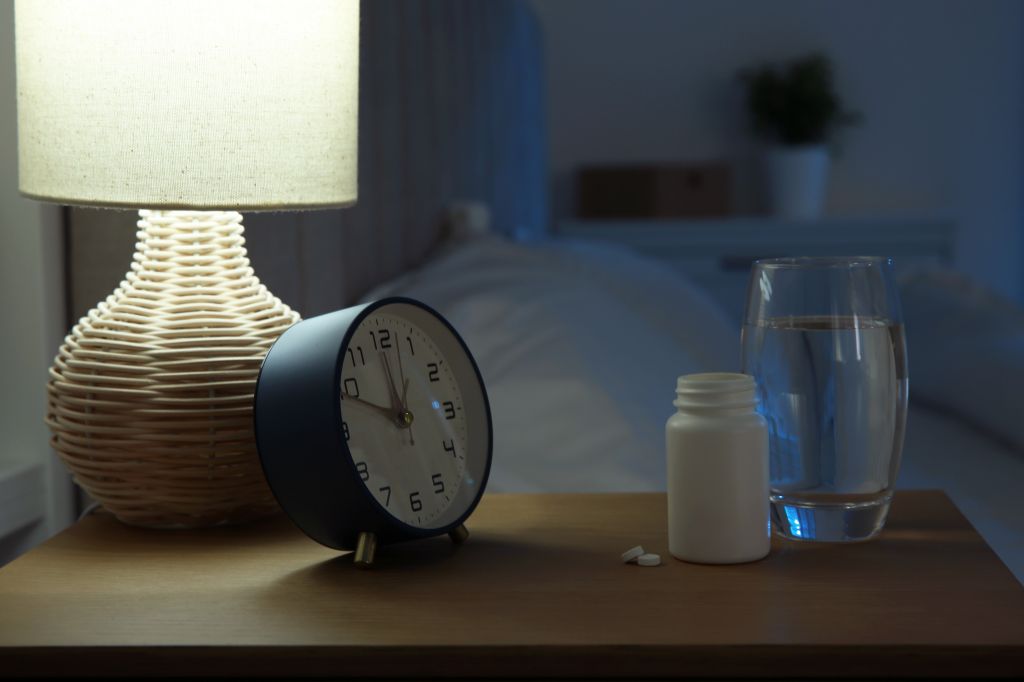
This explains why many people take tryptophan supplements around 30 minutes before bedtime on an empty stomach to support serotonin and melatonin production, promote relaxation, and improve sleep.
A study published in Nutrition Reviews found that individuals taking tryptophan reported faster sleep onset, less nighttime waking, and overall improved sleep quality.
While tryptophan supplements are generally well-tolerated and associated with few side effects, it’s essential to consult a healthcare provider to determine the appropriate dosage, assess potential drug interactions, and ensure safe and effective use.

Tips for better sleep
Healthy sleep requires optimal hormonal balance, metabolic efficiency, and central nervous system functions, all of which can be influenced by your diet and lifestyle habits.
Here are four tips for better sleep.
1. Limit carbohydrates and sugars
Eating sugary or high-carb foods, especially close to bedtime, can trigger blood sugar fluctuations that can disrupt sleep by causing energy spikes and crashes, making it harder to fall and stay asleep.
Instead, focus on nutrient-dense, low-carb meals earlier in the day and avoid snacking in the evening.
A whole-food-based low-carb diet, such as Healthy Keto®, especially when combined with intermittent fasting, supports metabolic and hormonal balance, thereby promoting more consistent, restful sleep at night.
Evidence published in Nutrients reports that the metabolic changes associated with a ketogenic diet and intermittent fasting may help balance the body’s circadian rhythm, promoting deeper and more restorative sleep.
2. Incorporate sleep-supportive foods
Certain foods have been found to promote the body’s ability to regulate sleep by either raising melatonin levels or offering nutrients that have sleep-enhancing properties.
For example, tart cherry juice is a natural source of melatonin, which helps promote the body’s sleep–wake cycles and supports overall sleep quality.
Probiotic-rich fermented foods, such as sauerkraut, kefir, or Lactobacillus reuteri yogurt, can support gut health, which is vital for a balanced production of serotonin, a key precursor to melatonin.
Additionally, magnesium plays a crucial role in regulating muscle tone and relaxation, and is involved in the production of gamma-aminobutyric acid (GABA), which helps calm the nervous system and supports sleep.
Some of the best dietary sources of magnesium include:
- Leafy green vegetables
- Avocado
- Oily fish
- Seeds and nuts
- Dark chocolate
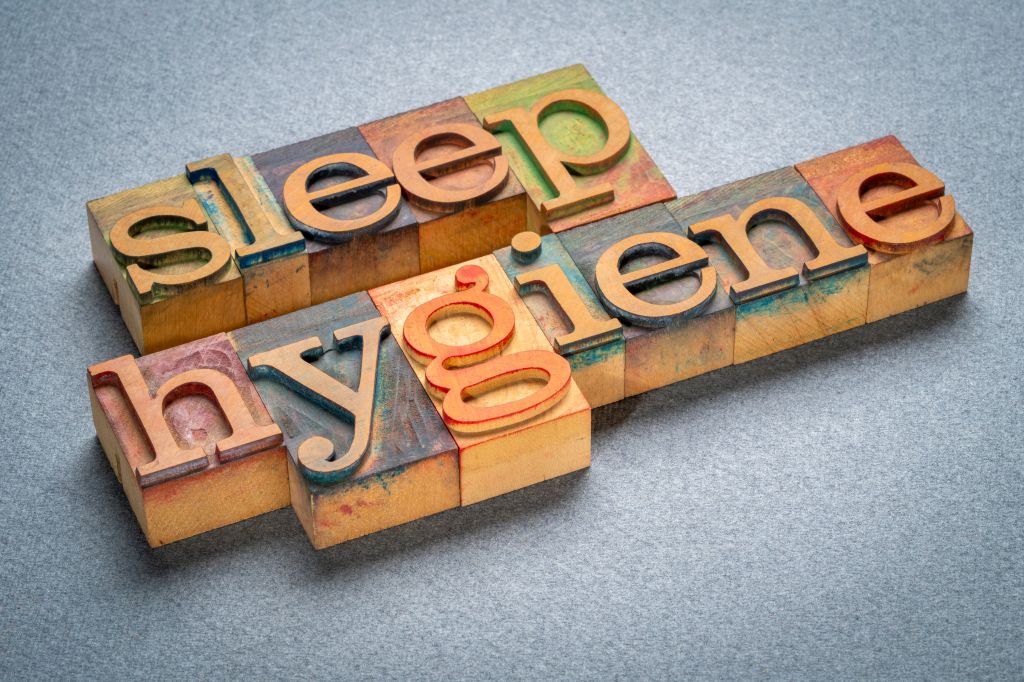
3. Focus on good sleep hygiene
Sleep hygiene refers to beneficial habits that aim to promote consistent, high-quality sleep by maximizing the body’s ability to fall and stay asleep while minimizing potential sleep-disrupting factors.
Good sleep hygiene includes:
- Maintain a consistent sleep schedule, including weekends
- Keep the bedroom cool, dark, and quiet
- Avoid digital devices and screens at least 30 to 60 minutes before bedtime
- Limit stimulants such as caffeine or alcohol
- Avoid excessive daytime naps
4. Avoid hard workouts later in the day
Vigorous exercise increases your heart rate and stimulates the nervous system, which can make it harder to fall asleep and achieve deep, restorative sleep.
To stay active while supporting restful sleep, aim to complete intense workouts at least a few hours before bedtime, and reserve evenings for relaxing stretching practices and deep-breathing routines.
Key takeaways
- Tryptophan can support sleep as it’s converted into melatonin, a hormone that induces sleepiness and helps regulate the body’s circadian rhythm.
- Unlike melatonin supplements, tryptophan supports the body’s natural hormone balance, which helps promote deep and restorative sleep.
- Foods rich in tryptophan include turkey, chicken, beef, pork, eggs, dairy, tofu, nuts, seeds, and small amounts of dark chocolate.
- Tryptophan supplements may also support balanced mood and calmness, which is supportive of restful sleep.
- Following Healthy Keto, incorporating sleep-enhancing foods and practicing good sleep hygiene can further support balanced sleep-wake cycles and a good night’s rest.
FAQ
- 1. Does tryptophan help you sleep?
- 2. What food is highest in tryptophan?
- 3. Can tryptophan cause anxiety?
- 4. Which is better for sleep, melatonin or tryptophan?
Sources
- Jenkins TA, Nguyen JC, Polglaze KE, Bertrand PP. Influence of Tryptophan and Serotonin on Mood and Cognition with a Possible Role of the Gut-Brain Axis. Nutrients. 2016;8(1):56. https://pmc.ncbi.nlm.nih.gov/articles/PMC4728667/
- Foong AL, Grindrod KA, Patel T, Kellar J. Demystifying serotonin syndrome (or serotonin toxicity). Can Fam Physician. 2018;64(10):720-727. https://pmc.ncbi.nlm.nih.gov/articles/PMC6184959/
- Sutanto CN, Loh WW, Kim JE. The impact of tryptophan supplementation on sleep quality: a systematic review, meta-analysis, and meta-regression. Nutr Rev. 2022;80(2):306-316. https://pubmed.ncbi.nlm.nih.gov/33942088/
- https://www.mdpi.com/2072-6643/14/7/1410
Related Articles
-
Fasting Hunger Waves: How to Ride Them Out
 Diet
DietFasting Hunger Waves: How to Ride Them Out
At a glance Intermittent fasting may support weight loss, fat burning, and metabolic health by lowering insulin levels and shifting the body toward using fat stores for fuel. Fasting hunger…09/10/2026 -
How to Stop Hitting Snooze
 Sleep
SleepHow to Stop Hitting Snooze
At a glance Learning how to stop hitting snooze begins with recognizing why mornings can feel difficult. Sleep quality, caffeine timing, bedtime habits, and your alarm setup can all affect…09/03/2026 -
Is Working Out at Night Bad for Sleep?
 Healthy lifestyle
Is Working Out at Night Bad for Sleep?
At a glance Working out at night can be a good fit for many people, especially when there is enough time to recover before bed. Evening workouts temporarily raise heart…09/03/2026 -
What Is the Best Time to Take Magnesium?
 Supplements
What Is the Best Time to Take Magnesium?
At a glance The best time to take magnesium depends on your primary health goals and daily routine. Morning magnesium intake can support daytime stress management and energy production, while…08/31/2026 -
Magnesium for Sleep: Benefits, Forms, and How to Use
 Supplements
Magnesium for Sleep: Benefits, Forms, and How to Use
At a glance Magnesium supports nervous system function, muscle relaxation, and processes involved in healthy sleep. Low magnesium intake may interfere with normal relaxation and sleep patterns. Supplemental forms differ…08/31/2026 -
Sleep Hygiene Basics That Actually Matter
 Healthy lifestyle
Sleep Hygiene Basics That Actually Matter
At a glance Sleep hygiene includes the daily routines and environmental cues that shape sleep quality. These habits influence the circadian rhythm, nighttime recovery, and how easily the body transitions…08/27/2026 -
What Is Caffeine Sensitivity? Symptoms and Causes
 Nervous system health
What Is Caffeine Sensitivity? Symptoms and Causes
At a glance Caffeine sensitivity occurs when small or moderate amounts of caffeine trigger an exaggerated stimulant response, such as jitters, anxiety, a rapid heartbeat, headaches, or poor sleep. Because…08/27/2026 -
How Morning Sunlight Supports Your Sleep Cycle
 Healthy lifestyle
How Morning Sunlight Supports Your Sleep Cycle
At a glance Morning sunlight and sleep are closely connected through the body’s circadian rhythm, which helps regulate alertness during the day and melatonin production at night. Getting natural light…08/20/2026 -
Can Better Hydration Improve Your Sleep?
 Sleep
SleepCan Better Hydration Improve Your Sleep?
At a glance Hydration affects sleep through overnight fluid loss, muscle and nerve function, and daytime alertness. Too little fluid may contribute to discomfort, while drinking too much near bedtime…08/13/2026 -
How to Build a Bedtime Routine
 Healthy lifestyle
How to Build a Bedtime Routine
At a glance A bedtime routine is a consistent sequence of evening habits that helps your body transition from daytime activity to nighttime rest. Learning how to build a nighttime…07/23/2026


