

At a glance
Asthma is a chronic inflammatory condition that narrows the airways and makes breathing difficult, especially during asthma attacks. While conventional care is often necessary, natural asthma remedies such as breathing exercises, nutrient‑dense foods, and stress‑management techniques may help manage symptoms and support respiratory comfort.
Asthma affects hundreds of millions of people worldwide, causing uncomfortable symptoms that can significantly interfere with daily life. While conventional asthma treatments can help ease asthma symptoms, certain lifestyle and dietary practices may offer additional support for respiratory comfort.
Discover five natural asthma remedies that may help reduce symptoms by supporting immune balance, promoting hormone regulation, and encouraging calmer breathing patterns.
What is asthma?
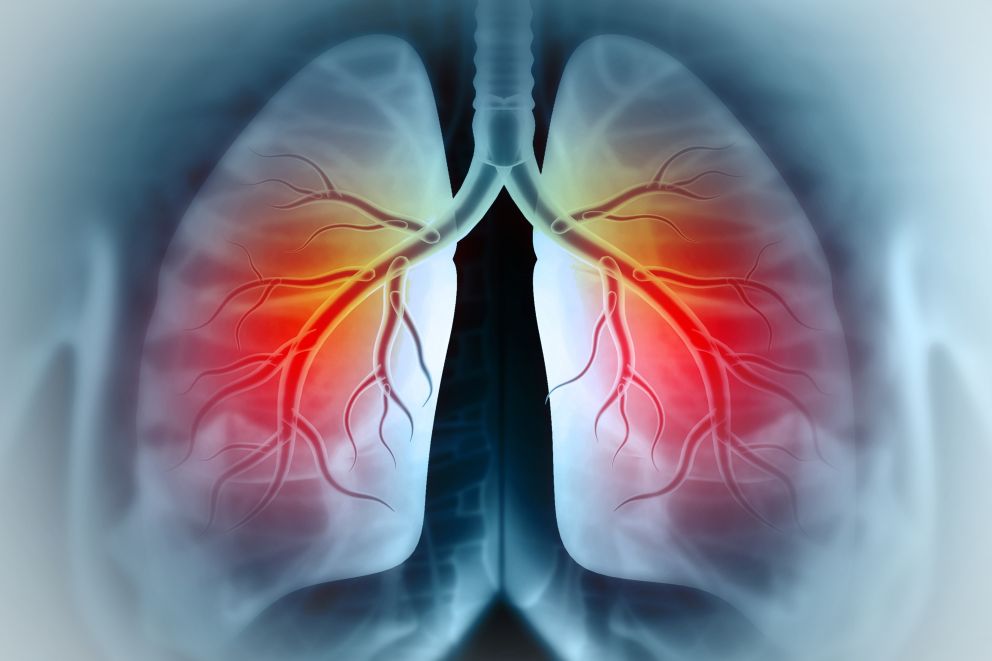
Asthma is a common chronic inflammatory condition affecting the airways of the lungs.
In people with asthma, the bronchial tubes, which carry air in and out of the lungs, are chronically inflamed. This inflammation can increase mucus production and trigger tightening of the airway smooth muscles, resulting in narrowed airways and restricted breathing.
Breathing difficulties often worsen at night and in the early morning, and may intensify during physical activity, or respiratory illnesses such as the common cold or the flu.
Obesity, smoking, chronic anxiety, and hormonal fluctuations are recognized risk factors for both asthma development and symptom severity.
Asthma symptoms vary widely in frequency and intensity, and often include:
- Difficulty breathing
- Wheezing
- Coughing
- Chest tightness or discomfort
Some individuals experience intermittent asthma, with symptoms occurring no more than twice a week. Others have persistent asthma, where the airways are in a constant state of inflammation.
In individuals with persistent asthma, even minor environmental changes or stress can trigger asthma symptoms, sometimes daily.
While symptoms are often mild and improve with appropriate management, uncontrolled asthma can escalate and lead to severe, potentially life-threatening asthma attacks.
Watch the video below to discover natural remedies that can help improve respiratory comfort.
Common asthma triggers
Identifying personal asthma trigger patterns is a key step for managing asthma and helping reduce asthma symptoms.
Common asthma triggers include exercise, air pollution, and respiratory infections. Managing exposure to common allergens such as pollen, dust mites, pet dander, and mold, as well as poor indoor air quality, also strongly influences asthma severity control.
Sudden weather changes and extreme temperatures, especially cold air, can further irritate sensitive airways and worsen both daytime and nighttime symptoms.
In addition, poor mental health has been linked to asthma outcomes. Research published in the Journal of Affective Disorders shows that individuals with asthma who experience anxiety or depression have up to a 31 percent higher risk of flare-ups.

4 asthma remedies
Although natural remedies can’t replace medical care, they may complement standard asthma treatment by supporting respiratory comfort, improving immune system resilience, and potentially reducing flare-up frequency.
Here are four asthma remedies to support respiratory health and comfort.
1. Maintain optimal vitamin D levels
Vitamin D plays a significant role in immune system regulation, including modulating inflammatory signals involved in airway inflammation.
Evidence published in Respiratory Research found that 67 percent of adults with asthma had low vitamin D levels, which were significantly associated with greater disease severity.
This suggests that maintaining a healthy vitamin D status may help support more stable breathing over time.
“Safe sunlight exposure remains one of the most effective natural ways to support healthy vitamin D levels,” explains Dr. Berg. “As much as 95 percent of natural vitamin D comes from the sun.”
Vitamin D3 production is triggered when skin is exposed to ultraviolet B (UVB) rays—generating up to 1000 international units (IUs) per minute, depending on skin exposure, time of day, season, and skin type. This highlights how efficient natural sunlight can be for achieving healthy vitamin D levels.
If regular sun exposure isn’t a viable option, vitamin D–rich foods such as fatty fish, egg yolks, and beef liver can also provide dietary support.

2. Practice slowed breathing techniques
Asthmatics often breathe faster and more deeply, which can increase the sensation of breathlessness and make breathing feel more labored.
One factor in this labored breathing is the role of carbon dioxide (CO2), which facilitates the release of oxygen from hemoglobin into body tissues—a process known as the Bohr effect.
When CO2 levels are low due to excessive exhalation, it can hinder oxygen release, constrict blood vessels, and intensify the sensation of air hunger. This is why many breathing techniques focus on slowing the breath.
The Buteyko breathing technique (BBT) is a therapeutic method designed to help balance breathing and may help manage asthma symptoms in some individuals.
A study published in the European Journal of Medical Research found that adults practicing BBT experienced improvements in asthma control measures over three months.
This may be especially helpful for stress-related asthma symptoms and exercise-induced asthma, where rapid breathing patterns can worsen asthma-related discomfort.
Other key techniques you can try at home include focusing on gentle nasal breathing rather than mouth breathing, and keeping each breath quiet and light.
Start with a slow nasal inhale followed by an even slower nasal exhale. You can also exhale through pursed lips, aiming to exhale for about twice as long as you inhale, without forcing your breath or holding it to the point of discomfort.
Aim to shift breathing away from the upper chest and toward the diaphragm so the belly moves more than the shoulders. Placing one hand on your chest and the other on your stomach can reinforce this pattern and help your breath feel more controlled.

3. Incorporate effective stress reduction
Cortisol levels and hypothalamic-pituitary-adrenal (HPA) axis activity may play a major role in asthma development and severity.
The HPA axis is the communication pathway between the hypothalamus, pituitary, and adrenal glands, three key endocrine systems.
A balanced HPA axis is crucial for synthesizing and directing essential stress hormones such as cortisol, which is a steroid hormone that helps regulate inflammation and immune signaling, including in the respiratory tract.
Individuals with asthma often show weaker cortisol responses to stress than healthy peers, suggesting impaired HPA activity.
Reduced cortisol production may trigger more severe airway inflammation, and supporting the body’s stress resilience and cortisol balance may help promote respiratory comfort.
It’s vital to prioritize stress reduction and high-quality sleep, as chronic stress and circadian disruption interfere with balanced cortisol signaling. Consistent sleep and wake times, morning light exposure, and a calming evening routine can all help stabilize cortisol rhythms.
In addition, focus on nutrient-dense whole foods that provide key nutrients needed for hormone and nervous system function. Helpful options include berries, raw sauerkraut, bell peppers, dark leafy green vegetables, and pasture-raised beef and eggs.

4. Prioritize nutrient‑dense foods
Diets high in refined carbohydrates, added sugars, and industrially processed oils promote systemic inflammation, potentially worsening airway inflammation and contributing to more frequent or intense asthma symptoms.
Highly processed diets also drive weight gain and obesity, a well-established asthma risk factor.
Research published in the American Journal of Respiratory and Critical Care Medicine found that overweight or obese individuals had a roughly 50 percent higher chance of developing asthma than those of normal weight.
Adopting a nutritious diet, such as Healthy Keto®, which emphasizes unrefined low-carb foods, healthy fats, and pasture-raised meat, eggs, and dairy, can help support inflammatory balance and metabolic health while providing antioxidants and micronutrients that promote balanced immune regulation and more comfortable breathing.

When to talk to your doctor
While natural remedies may help improve breathing comfort, they’re not a substitute for medical care. Always seek medical advice before adding complementary approaches to your asthma treatment plan.
A healthcare professional can also perform breathing and allergy testing to help determine your baseline lung function and identify triggers that can worsen asthma symptoms.
Contact emergency services if you experience a severe asthma attack that doesn’t respond to a quick-relief inhaler or for rapidly worsening symptoms, such as blue or gray lips or nails, extreme difficulty breathing, inability to speak in full sentences, confusion, or dizziness.
Key takeaways
- Asthma is a chronic inflammatory condition associated with airways that are overly sensitive, causing narrowing, tightening, and excess mucus that makes breathing difficult.
- Asthma symptoms are often triggered by environmental exposures, respiratory infections, exercise, and poor indoor air quality.
- A nutrient-dense, low-carb diet such as Healthy Keto, combined with safe sunlight exposure and vitamin D–rich foods, may help support healthy immune function, balance inflammation, and address metabolic factors linked to asthma risk.
- Slowed breathing techniques, such as the Buteyko method, may help reduce strained breathing and promote CO2 balance, supporting oxygen delivery and relaxation.
- Supporting a healthy stress response through consistent sleep and effective stress reduction further supports respiratory wellness and symptom relief.
FAQ
- 1. What are the top natural asthma remedies?
- 2. What is the best diet for asthma?
- 3. Can breathing exercises help with asthma symptoms?
- 4. Does indoor air quality affect asthma?
- 5. Can natural remedies replace asthma treatments?
Sources
- Association of depression, anxiety with asthma outcomes and allergic comorbidities: results from the National Health Interview Survey. Journal of Affective Disorders. 2025;389:119677. doi:10.1016/j.jad.2025.119677 Association of depression, anxiety with asthma outcomes and allergic comorbidities: results from the National Health Interview Survey. – sciencedirect.com.
- Stephanie Korn, Marisa Hübner, Matthias Jung, Maria Blettner, Roland Buhl. Severe and uncontrolled adult asthma is associated with vitamin D insufficiency and deficiency. Respiratory Research. 2013;14(1):25. doi:10.1186/1465-9921-14-25 Severe and uncontrolled adult asthma is associated with vitamin D insufficiency and deficiency. – pmc.ncbi.nlm.nih.gov.
- Effect of Buteyko breathing technique on clinical and functional parameters in adult patients with asthma: a randomized, controlled study. European Journal of Medical Research. 2024;29(1):42. doi:10.1186/s40001-023-01634-1 Effect of Buteyko breathing technique on clinical and functional parameters in adult patients with asthma: a randomized, controlled study – European Journal of Medical Research. – link.springer.com.
- David A Beuther, E Rand Sutherland. Overweight, Obesity, and Incident Asthma: A Meta-analysis of Prospective Epidemiologic Studies. American Journal of Respiratory and Critical Care Medicine. 2007;175(7):661. doi:10.1164/rccm.200611-1717OC Overweight, Obesity, and Incident Asthma: A Meta-analysis of Prospective Epidemiologic Studies. – pmc.ncbi.nlm.nih.gov.
Related Articles
-
Liquid vs. Capsule Vitamin D Supplements
 Nutrients
Liquid vs. Capsule Vitamin D Supplements
At a glance Vitamin D is a fat-soluble nutrient that functions more like a hormone than a traditional vitamin by regulating calcium absorption, supporting immune function, and influencing critical cellular…05/21/2026 -
Can You Reverse Atherosclerosis?
 Health concerns
Can You Reverse Atherosclerosis?
At a glance Can you reverse atherosclerosis? While plaque may not fully disappear, the progression of atherosclerosis can be slowed and plaque stability may improve over time. Atherosclerosis develops gradually…03/06/2026 50.4k views -
Osteoporosis and Osteopenia: How to Support Strong Bones
 Health concerns
Osteoporosis and Osteopenia: How to Support Strong Bones
At a glance Osteopenia and osteoporosis are age-related conditions marked by gradual bone density loss that often develops without clear symptoms. Changes in bone strength can increase fracture risk and…01/08/2026 5.9k views -
5 Supplements That Actually Work
 Nutrition
5 Supplements That Actually Work
At a glance Choosing the right supplements is crucial because the quality and bioavailability of nutrients significantly impact how well they support energy production, metabolic health, and immune balance. Many…12/19/2025 3.1k views -
Vitamin D Overdose: Can You Take Too Much Vitamin D?
 Nutrition
Vitamin D Overdose: Can You Take Too Much Vitamin D?
At a glance Vitamin D is essential for bone health, immune function, and overall well-being. While supplementation can help manage a deficiency, excessive vitamin D intake can lead to toxicity,…04/09/2025 23.1k views -
Four Powerful Vitamins (Nutrients) That Remove Plaque from Arteries
 Health concerns
Four Powerful Vitamins (Nutrients) That Remove Plaque from Arteries
At a glance Arterial plaque forms as a response to blood vessel damage, which can be influenced by various lifestyle habits. While reducing common stressors is essential, specific nutrients can…04/09/2025 61.6k views -
6 Benefits of Taking Vitamin D3 with Vitamin K2 and Magnesium
 Nutrition
6 Benefits of Taking Vitamin D3 with Vitamin K2 and Magnesium
At a glance In nature, nutrients are rarely isolated and depend on co-helper vitamins and minerals to support key bodily processes. Vitamin D3, K2, and magnesium benefit skeletal, skin, and…04/09/2025 76.8k views -
How Much Vitamin D3 Should I Take?
 Nutrition
How Much Vitamin D3 Should I Take?
At a glance Vitamin D3 is the natural form that the skin produces from sunlight. How much vitamin D3 you should take depends on biological and environmental factors. Sunlight, organ…04/09/2025 35.5k views -
Can Low Vitamin D Cause Heart Palpitations?
 Health concerns
Can Low Vitamin D Cause Heart Palpitations?
At a glance Low vitamin D levels may contribute to heart palpitations, as vitamin D supports calcium balance, nerve signaling, and normal muscle contraction. Maintaining healthy vitamin D levels through…04/08/2025 14.4k views -
Vitamin D3 and K2 Benefits
 Nutrition
Vitamin D3 and K2 Benefits
At a glance Vitamins D3 and K2 benefits include supporting calcium balance, heart function, and musculoskeletal health. Although supplements are available, natural dietary sources such as fermented vegetables and animal…04/08/2025 56.7k views


