

Obsessive-compulsive disorder (OCD) is a mental health condition that triggers a vicious cycle of intrusive thoughts and repetitive behaviors to ease obsession-related anxiety.
Discover seven natural remedies for OCD relief and learn about the dietary and lifestyle habits that can help alleviate anxiety symptoms.
What is OCD?
OCD is a common mental health condition that falls under the category of anxiety disorders.
However, OCD isn’t categorized as a generalized anxiety disorder, as OCD symptoms present as a specific set of obsessions and compulsions rather than manifesting as a broad pattern of excessive worry.
Obsessions are distressing and intrusive thoughts, images, or urges that develop suddenly and repeatedly.
According to the International OCD Foundation (IOCDF), common obsessions include:
- Contamination obsessions
- Violent obsessions
- Sexual obsessions
- Perfectionism-related obsessions
- Moral obsessions
- Identity obsessions
Compulsions, on the other hand, are strong urges for repetitive behaviors or mental acts aiming to reduce the often severe anxiety caused by obsessions.
Common compulsions include excessive cleaning, checking, counting, or repeating actions, which can significantly impact the emotional wellness and quality of life of those affected.
This mental health condition can vary in severity, ranging from mild forms to refractory obsessive-compulsive disorder (rOCD), a severe form of OCD that doesn’t respond well to conventional treatments.
Watch the video below to discover the link between microbiome diversity and brain health.
Conventional treatments for OCD
Conventional OCD treatment typically involves a combination of cognitive behavioral therapy (CBT) and prescription medications.
CBT is typically guided by a mental health professional and focuses on helping individuals manage intrusive thoughts while minimizing compulsive behaviors, gradually alleviating OCD symptoms, and reducing anxiety.
In addition to cognitive therapy, prescription medications such as selective serotonin reuptake inhibitors (SSRIs) or tricyclic antidepressants are commonly prescribed for treating OCD.
These medications work by altering the levels of certain neurotransmitters, particularly serotonin, which helps regulate mood and anxiety and can help reduce OCD severity.
In severe or treatment-resistant OCD cases, more advanced medical interventions such as transcranial magnetic stimulation (TMS) or deep-brain stimulation (DBS) may be considered.

7 natural remedies that may help support OCD
Poor dietary habits, nutritional deficiencies, lack of sleep, and a stressful lifestyle can contribute to anxiety disorders and worsen OCD symptoms.
Making beneficial changes in daily habits and incorporating natural strategies can help support mental well-being and reduce the intensity of obsessive-compulsive tendencies.
Here are seven natural remedies to help manage OCD symptoms.
1. Prioritize effective stress management
Research published in the Journal of Clinical Medicine highlights that stressful life events can trigger a wide range of anxiety-related disorders, including OCD.
While it’s almost impossible to avoid all day-to-day stressors, incorporating effective stress management can play a vital role in reducing OCD symptom severity.
Relaxing practices such as deep breathing, engaging in hobbies, scheduling enough downtime, spending time in nature, and connecting with loved ones are excellent strategies for minimizing obsessions and compulsions.
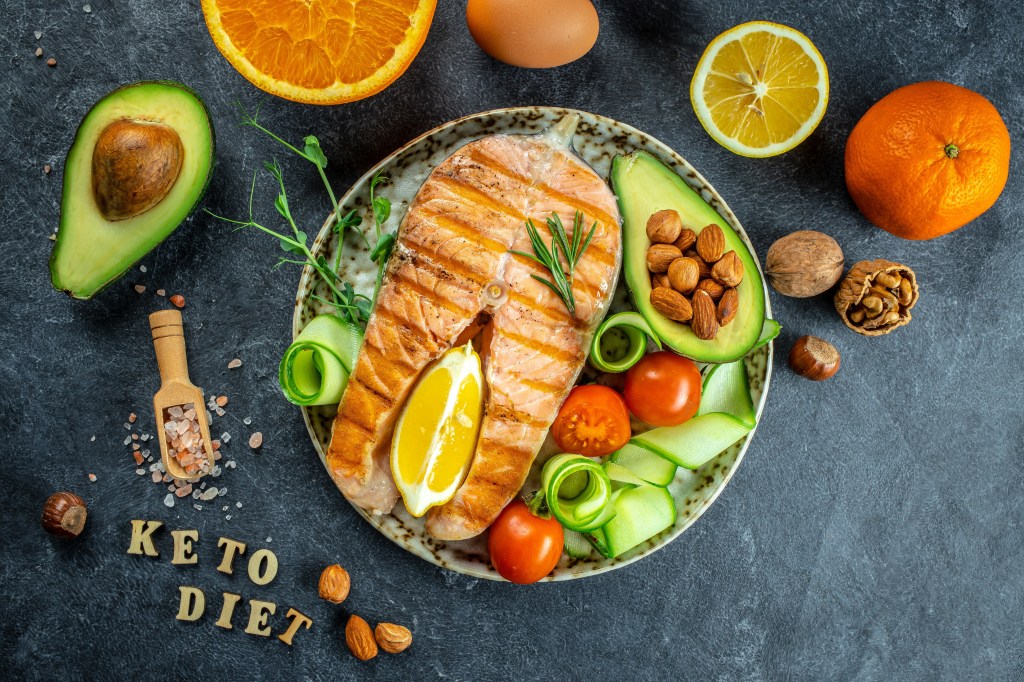
2. Follow a nutrient-focused low-carb diet
Regular consumption of sugars and refined carbohydrates contributes to blood sugar imbalances, which can directly influence mood regulation and brain chemistry.
“Blood sugar fluctuations can worsen OCD symptoms, as they can contribute to neurotransmitter imbalance, including serotonin and dopamine, which are linked to increased anxiety and compulsive behaviors,” explains Dr. Berg.
This explains why many people affected by OCD experienced marked improvements in their symptoms after adopting a low-carb ketogenic diet.
This has been confirmed by research published in Nutrients, reporting that the ketogenic diet appears to be a practical therapeutic approach to managing OCD symptoms when combined with standard treatment.
Healthy Keto® is an advanced version of the traditional ketogenic diet. In addition to carbohydrate restriction, it emphasizes nutrient-dense whole foods while avoiding processed foods.
This dietary approach combines the metabolic benefits of a low-carb diet with key nutrients that help support the central nervous system, regulate mood, and promote optimal neurotransmitter balance, all critical factors for managing OCD.
3. Prioritize foods rich in B-vitamins
Evidence published in Cureus reports that B vitamins, especially vitamin B12 and folate, play a vital role in maintaining central nervous system integrity.
The authors also state that a lack of these essential vitamins has been linked to an increased risk of central nervous system disorders, including OCD.
This highlights the importance of maintaining an optimal dietary intake of vitamin B12 and folate, which may help reduce anxiety and can be beneficial for individuals with obsessive-compulsive tendencies.
While some of the best sources of vitamin B12 are beef, pork, chicken, fish, seafood, and dairy products, folate-rich foods include liver, green leafy vegetables, avocado, asparagus, and nuts.

4. Practice intermittent fasting
Intermittent fasting, a mealtime schedule that alternates between periods of fasting and time-restricted eating windows, has anti-anxiety effects and may help reduce OCD symptoms.
A study published in Alpha Psychiatry suggests intermittent fasting enhances synaptic plasticity and amygdala function, which plays a central role in emotional regulation and fear response.
However, in some cases, time-restricted eating can trigger food obsessions or body dysmorphic disorder (BDD) and worsen OCD symptoms. Therefore, it’s vital to consult a licensed mental health counselor before incorporating fasting into your routine.
5. Support a balanced gut microbiome
Increasingly more scientific research suggests a strong link between an imbalanced gut microbiome and mental health issues.
In fact, evidence published in the International Journal of Molecular Science suggests that dysbiosis is an underlying factor in OCD development and that supporting the gut microbiome may serve as an effective therapeutic tool.
Consuming plenty of probiotic foods can help restore and maintain microbial balance, which positively impacts the gut-brain connection and may play a direct role in OCD symptom relief.
Some of the best probiotic foods include:
- Raw sauerkraut
- Kimchi
- Miso
- Yogurt
- Kefir
- Kombucha
In addition, a diet rich in prebiotic foods supports the growth of healthy gut bacteria by providing them with the fiber they need to thrive.
Prebiotic-rich foods such as garlic, onions, leeks, Jerusalem artichokes, and asparagus serve as a probiotic fuel source and help strengthen the gut microbiome.

6. Focus on quality sleep
Lack of sleep can worsen OCD as it disrupts neurotransmitter balance needed to regulate anxiety, impulse control, and intrusive thoughts, making symptoms more intense.
Prioritizing sleep quality can play a significant role in managing OCD and related anxiety symptoms.
Research published in Progress in Cardiovascular Disease recommends seven to nine hours of sleep, maintaining a consistent sleep schedule and regular bedtime routine, and engaging in regular exercise.
In addition, it’s vital to avoid caffeine, heavy meals, alcohol, and blue light exposure later in the day, which are associated with poor-quality sleep.
7. Maintain optimal vitamin D levels
Evidence published in the Indian Journal of Psychiatry suggests a link between vitamin D deficiency and the development of various mental disorders, such as depression, anxiety, and OCD.
Vitamin D, often called the sunshine vitamin, is thought to play a key role in regulating brain and central nervous system functions and maintaining neurotransmitter balance, both of which are essential for supporting mental health.
Getting enough exposure is vital to maintaining optimal vitamin D levels, which are linked to a lower risk of mental health problems and anxiety disorders.
In addition, regular intake of vitamin D-rich foods such as fatty fish like salmon and mackerel, as well as egg yolks, organ meat, and grass-fed butter can help support brain function, neurotransmitter balance, and overall mental health.

Potential risks and limitations of natural remedies
Natural treatments, including herbal remedies, are often considered for managing mental health disorders.
However, it’s vital to be aware of the potential risks and limitations of natural treatments. Natural remedies may interact with prescription medicines, reducing their effectiveness or causing adverse effects.
In addition, individuals with OCD are at increased risk of anxiety or compulsive behavior if natural treatments lead to inconsistent effects or delayed symptom relief.
This highlights the importance of consulting a healthcare professional before incorporating herbal remedies, dietary changes, or lifestyle adjustments to ensure they’re safe and compatible with existing treatment approaches.

When to seek professional help
Mild OCD symptoms may be managed with self-help strategies and beneficial diet and lifestyle interventions.
However, it’s crucial to be aware that professional help is vital if OCD symptoms worsen, cause significant stress, or interfere with day-to-day activities and responsibilities.
Not addressing OCD can allow symptoms to become severe, making it more challenging to manage obsessions and compulsions, which can affect work, relationships, and overall quality of life.
Early intervention with a qualified mental health professional allows for the implementation of targeted strategies and treatment options to reduce OCD progression and improve long-term health outcomes.

Key takeaways
Utilizing natural remedies for OCD may promote neurotransmitter balance and support central nervous system function, which can help manage anxiety-related symptoms.
These include managing stress, following a low-carb diet, supporting optimal B-vitamin and vitamin D levels, prioritizing sleep, and promoting gut microbiome diversity.
However, it’s crucial to discuss any dietary and lifestyle changes with a mental health professional to ensure they’re safe and effective, especially when combined with conventional OCD treatments.
FAQ
1. Are there any natural remedies for OCD?
Some of the best natural remedies for obsessive-compulsive disorder (OCD) include effective stress management, adopting a nutrient-focused low-carb diet, prioritizing sleep, and practicing intermittent fasting.
However, it’s vital to discuss any dietary or lifestyle changes with a healthcare provider to ensure they’re safe and compatible with existing treatment approaches and prescription medications.
2. What vitamins support brain health in OCD?
Vitamins B12, D3, and folate are crucial for central nervous system function and brain health. A lack of these essential nutrients has been linked to an increased risk of mood and anxiety disorders, including OCD.
3. Are there lifestyle changes that make OCD symptoms more manageable?
Yes, lifestyle changes, including stress management, focusing on adequate and restful sleep, regular sunlight exposure, and intermittent fasting, can help support brain health and balance neurotransmitters.
These changes may reduce anxiety and help manage OCD symptoms, especially when incorporated with conventional treatments.
4. How do I know if I should try natural approaches for OCD?
Natural approaches for OCD may be considered if symptoms are mild and should be used alongside standard treatments under professional guidance. However, it’s always best to discuss any natural OCD remedies with a healthcare provider to ensure safety and effectiveness.
Sources
- https://iocdf.org/about-ocd/#obsessions
- https://www.mdpi.com/2077-0383/9/10/3371
- https://www.mdpi.com/2072-6643/17/1/31
- https://pmc.ncbi.nlm.nih.gov/articles/PMC12004335/
- https://pmc.ncbi.nlm.nih.gov/articles/PMC12231414/
- https://pmc.ncbi.nlm.nih.gov/articles/PMC10419219/
- https://pubmed.ncbi.nlm.nih.gov/36841492/
- https://pmc.ncbi.nlm.nih.gov/articles/PMC9435610/


