

At a glance
Toenail fungus is a common nail infection often linked to environmental exposure to infectious microbes, nail injury, and poor metabolic or immune health. Natural topical solutions and supportive lifestyle habits can help create conditions that slow fungal growth and reduce the risk of recurrent infections.
Toenail fungus is a stubborn and often unsightly nail infection that can gradually damage the nail and surrounding tissue if left unaddressed.
Discover three natural solutions to help manage toenail fungus, minimize the risk of recurrence, and promote healthier nail growth.
What is toenail fungus?
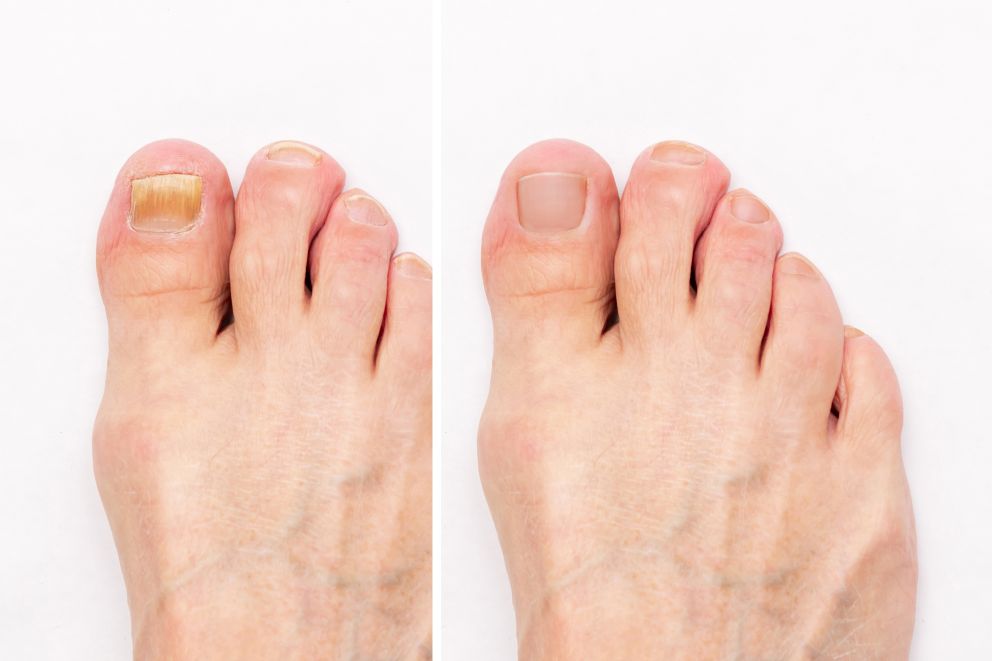
Toenail fungus, clinically known as onychomycosis, is a common nail infection that develops when fungi invade the nail bed and surrounding tissue. It typically begins as a small white or yellow spot beneath the nail tip and progressively worsens if left untreated.
The most common cause of toenail fungal infections is a group of fungi called Dermatophytes, while molds and yeasts account for most of the remaining cases.
Dermatophytes release keratinase enzymes that break down keratin, the protein that makes up the nail structure. This allows the microbes to grow and proliferate as they penetrate the nailbed and feed on tissues.
Once the infection reaches the nail matrix, which is the root at the base of your nail that produces new nail growth, it starts to affect how new nail grows, often causing thickening and distortion.
As the infection progresses, you may notice pronounced discolored toenails, brittleness, a crumbly or ragged texture, and, in some cases, separation of the nail from the nail bed. More advanced infections may also produce an unpleasant odor.
Fungi thrive in warm, moist environments and are contagious, which explains why toenails are affected far more often than fingernails.
Risk factors for toenail fungus include:
- Walking barefoot in damp public areas
- Tight shoes
- Wearing non-breathable footwear without socks
- Reusing unwashed socks
- Sharing nail grooming tools
- Nail injury or damage
- Poor circulation
- Athletes foot
- Diabetes
- Obesity
- Smoking
- Old age
Preexisting skin conditions, such as psoriasis, autoimmune disorders, and immunodeficiency conditions such as human immunodeficiency virus (HIV) infection, may increase susceptibility to fungal nail infections. Additionally, men are up to three times more likely than women to develop nail fungus.
Watch the video below to discover natural strategies to manage toenail fungus.
3 natural solutions for toenail fungus
Various conventional options, such as laser treatments, antifungal nail polish, and oral antifungal medications, are available to treat nail fungus. However, these options can be expensive and often have low success rates in preventing recurrence.
These treatments can also cause side effects, including gastrointestinal discomfort, headaches, skin irritation, liver damage, and other health concerns. For this reason, many people explore natural options to help manage toenail fungus.
Here are three natural solutions for toenail fungus.
1. Epsom salt soaks with natural antimicrobials
Because toenail fungus often resides deep beneath the protective nail plate, topical treatments may not effectively reach the affected area.
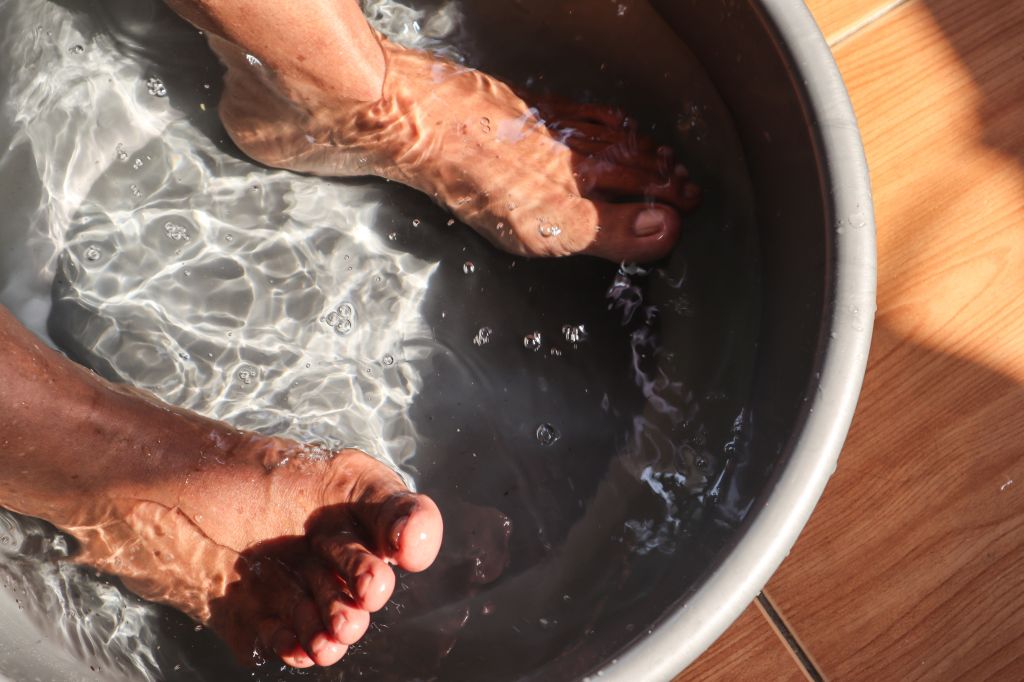
A warm Epsom salt foot soak can help soften the nail and surrounding tissue, potentially improving the ability of antimicrobial agents to reach the infection more effectively.
Pure essential oils such as tea tree, oregano, clove, and lavender oil contain natural compounds such as terpinen-4-ol, carvacrol, eugenol, linalool, and linalyl acetate that are recognized for their antimicrobial properties and ability to support nail hygiene.
Additionally, povidone-iodine is a well-established, broad-spectrum antiseptic traditionally used for topical skin care.
When properly diluted and combined, these ingredients create a potent, naturally antimicrobial solution that helps maintain a clean environment for healthy nail regrowth.
To use this method, soak feet in warm water with dissolved Epsom salts for 10 to 15 minutes, then dry them thoroughly.
Next, mix a few drops of povidone-iodine with one drop of essential oil and one teaspoon of a carrier oil, such as jojoba. Using a cotton swab, apply the mixture to the affected nail and allow it to dry completely. Repeat daily for best results.
2. Vinegar soaks
Fungi tend to thrive in more alkaline environments, while healthy skin maintains a mildly acidic surface.
Research published in the Journal of the American Academy of Dermatology notes that 50:50 vinegar soaks may help shift the skin’s surface toward greater acidity, creating conditions less favorable to fungal overgrowth and potentially enhancing the effectiveness of topical antifungals.
To utilize this method, combine equal parts apple cider vinegar or plain distilled 5 percent white vinegar and water in a basin for a short foot soak, or apply diluted vinegar directly to the affected toenail using a cotton ball.
Because vinegar can irritate sensitive skin, it’s vital to perform a patch test first and discontinue use if discomfort occurs. Don’t use high-strength cleaning vinegars, which can contain up to 30 percent acetic acid, which can cause significant skin irritation or injury.

3. Prioritize immune-boosting nutrients
A healthy immune system helps maintain microbial balance and keeps fungal overgrowth from becoming a spreading and chronic infection. To support immune health, it’s crucial to ensure adequate intake of key nutrients, including vitamins C and D and zinc.
Vitamin C supports immune function and tissue integrity, helping maintain physical barriers against infection. It’s recommended to choose lower-sugar sources like bell peppers, raw sauerkraut, and dark leafy greens to avoid blood sugar spikes that can encourage fungal growth.
Vitamin D receptors are found in nearly all immune cells, underscoring vitamin D’s role in immune signaling and regulation. Vitamin D also supports microbial balance by stimulating antimicrobial peptides.
Wild-caught fatty fish, pasture-raised dairy, and egg yolks provide small amounts of vitamin D, but diet alone typically supplies only 10 to 20 percent of daily needs.
According to research published in Cureus, around 30 minutes of skin exposure to ultraviolet B (UVB) radiation is the most efficient way to naturally stimulate vitamin D synthesis.
Zinc is another foundational nutrient that supports immune cell development and repair. Good food sources include pasture-raised red meat, organ meat, eggs, and shellfish such as oysters.

How to prevent toenail fungus
Preventing toenail fungus starts with minimizing exposure to fungi and the moist environments they thrive in, while supporting your body’s natural defenses through better metabolic health.
Key preventative habits include:
- Keep feet clean and dry: Wash feet daily, and dry thoroughly before putting on shoes and socks.
- Wear fresh socks: Always change socks promptly if they become damp, and never reuse unwashed socks.
- Protect feet in public areas: Always wear shower shoes, flip flops, or sandals when using swimming pools, locker rooms, gyms, showers, and other damp public spaces to avoid direct contact with contaminated surfaces.
- Choose breathable footwear: Opt for shoes that allow airflow, avoid tight or non-breathable options, and rotate shoes daily.
- Sanitize footwear: Lightly dust the inside of shoes with baking soda to absorb moisture and help inhibit fungal growth.
- Don’t share personal items: Avoid sharing towels, shoes, socks, or nail-grooming tools, as they can transfer fungal spores.
- Maintain properly trimmed nails: Keep nails trimmed short and straight across, gently file thickened areas, and sanitize nail tools after each use.
- Be cautious with nail salons: Choose salons with strict protocols for sanitizing tools, towels, and foot baths before each client.
Metabolic health is a critical defense against toenail fungus, as it regulates circulation, immune surveillance, and blood sugar levels, three key factors in the body’s ability to resist fungal overgrowth on the skin and nails.
This helps explain why individuals with metabolic disorders such as diabetes are up to three times more likely to develop persistent infections.
Poor metabolic health is often driven by diets high in refined carbohydrates and ultra-processed foods, which are a main driver of elevated blood glucose levels and impair peripheral circulation.
Adopting a nutrient-dense, low-carb diet such as Healthy Keto®, which emphasizes whole foods, promotes metabolic stability, helping maintain blood sugar balance and robust immune defenses.
“Yeast, mold, and fungal organisms thrive on sugar,” explains Dr. Berg. “Reducing sugar helps limit the fuel source these microbes rely on while supporting the immune balance necessary to help prevent overgrowth.”
When to talk to your doctor
Because toenail fungus progresses slowly and is often painless, it’s frequently dismissed as a cosmetic concern.
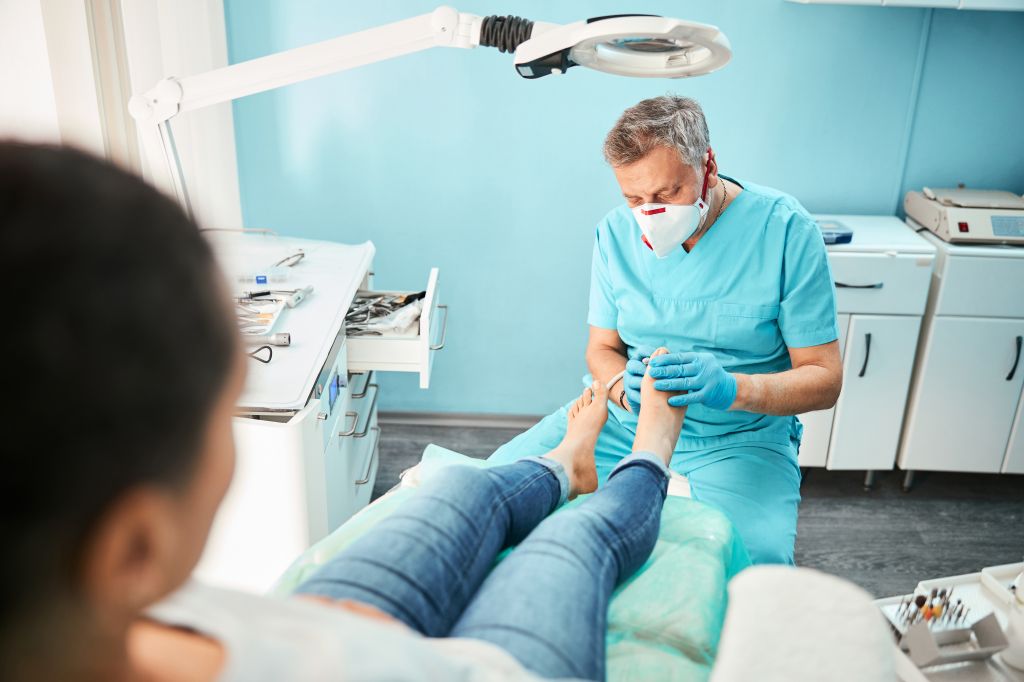
However, you should consult a podiatrist if you notice persistent discoloration, thickening, splitting, or the nail lifting from the bed, especially if natural management shows no improvement.
When treating toenail fungus, early evaluation is essential to contain the infection, prevent it from spreading, and reduce the risk of complications.
Seek immediate medical attention if you notice signs of advanced infection, including severe pain, swelling, pus, bleeding, or difficulty walking.
If you have diabetes or a compromised immune system, prompt professional care is critical if you notice an infected nail. These conditions significantly increase the risk of secondary bacterial infections, permanent nail loss, and other complications that may require specialized management.
Key takeaways
- Toenail fungus is a common fungal infection influenced by environmental exposure to microbes, nail injury, and poor immune and metabolic health.
- Natural strategies such as Epsom salt soaks, essential oils, iodine, and vinegar may help support nail hygiene and help discourage toenail fungus over time.
- Consistent foot care, including keeping nails trimmed, wearing clean and breathable footwear, and avoiding barefoot exposure in public spaces, plays a key role in any toenail fungus treatment strategy.
- Diet and lifestyle approaches that support nutrient status, blood sugar balance, and immune functions can help reduce recurrence and complement nail fungus remedies.
FAQ
- 1. Can natural remedies help with toenail fungus?
- 2. What kills toenail fungus fast?
- 3. What are common causes of toenail fungus?
- 4. Is toenail fungus contagious?
Sources
- https://www.jaad.org/article/S0190-9622(17)32448-9/abstract
- Benefits and Risks of Sun Exposure to Maintain Adequate Vitamin D Levels. pmc.ncbi.nlm.nih.gov.
Related Articles
-
6 Natural Remedies for H. Pylori
 Health concerns
6 Natural Remedies for H. Pylori
At a glance Helicobacter pylori (H. pylori) is a common pathogen that infects the stomach and increases the risk of ulcers and other gastrointestinal symptoms. While conventional treatment relies on…03/19/2026 24.6k views -
How to Kill Parasites: 7 Natural Tips
 Health concerns
How to Kill Parasites: 7 Natural Tips
At a glance Parasitic infections occur when worms or protozoa colonize the body, often through exposure to contaminated pets, food, or water. These organisms can interfere with digestion and other…03/13/2026 15.1k views -
How to Ease a Sore Throat Quickly Using Acupressure
 Health concerns
How to Ease a Sore Throat Quickly Using Acupressure
At a glance Acupressure offers a simple, hands-on approach to promoting physical comfort, which may help soothe sore throat pain. While it’s not a substitute for a medical evaluation, acupressure…02/27/2026 25.2k views -
What Are Viral and Bacterial Infections? Differences Explained
 Health concerns
What Are Viral and Bacterial Infections? Differences Explained
At a glance Viral and bacterial infections are caused by different pathogens and require distinct approaches for treatment and prevention. While viruses invade cells and typically resolve on their own,…02/12/2026 2.4k views -
Ear Infection Home Remedies: 8 Natural Solutions
 Immune health
Ear Infection Home Remedies: 8 Natural Solutions
At a glance Ear infections can cause pressure, discomfort, and temporary hearing changes, often triggered by viral or bacterial infections. Over-the-counter options may relieve symptoms, but often don’t address the…01/16/2026 26.9k views -
6 Natural Sinus Infection Remedies
 Health concerns
6 Natural Sinus Infection Remedies
At a glance Sinusitis causes nasal congestion and other uncomfortable symptoms, often triggered by bacterial or fungal infections. Over-the-counter remedies only relieve symptoms and don’t address the underlying cause, which…12/11/2025 12.6k views -
Six Fascinating Benefits of Ozonated Olive Oil
 Nutrition
Six Fascinating Benefits of Ozonated Olive Oil
At a glance Ozonated olive oil provides strong antibacterial, antiviral, and antifungal effects that promote wound healing, reduce infection naturally, and lower inflammation. It’s typically applied topically once or twice…04/09/2025 17.7k views -
Herxheimer Reaction: What It Is and What to Do
 Healthy lifestyle
Herxheimer Reaction: What It Is and What to Do
At a glance Herxheimer reactions occur when the immune system responds to toxins released by dying microbes during antimicrobial treatment. This temporary reaction can cause flu-like symptoms such as fever,…04/09/2025 28.3k views -
14 Amazing Oregano Oil Benefits
 Health concerns
14 Amazing Oregano Oil Benefits
At a glance Oregano oil is a rich source of bioactive compounds that offer a variety of potential health benefits. It has antimicrobial and antioxidant properties and may support respiratory…04/09/2025 87k views -
Homeopathic Remedy for Sore Throat
 Health concerns
Homeopathic Remedy for Sore Throat
At a glance Sore throats are commonly caused by viral or bacterial infections, but can also be linked to acid reflux, postnasal drip, or allergies. A homemade bay leaf tea…04/08/2025 16.4k views


