

At a glance
Psoriasis is an inflammatory skin condition marked by red, itchy, and scaly patches caused by rapid skin cell buildup. Symptoms can range from mild irritation to widespread plaques that affect the skin, scalp, nails, or joints. Daily habits, environmental triggers, and food choices play an important role in supporting skin comfort and helping maintain balanced inflammatory responses.
Psoriasis is an inflammatory condition characterized by red, itchy, and scaly skin patches. While there’s no cure for psoriasis, various natural remedies can help reduce flare-ups and soothe skin inflammation.
Discover everyday habits for fast psoriasis relief and learn how limiting sugars, refined carbs, and processed foods can help lower inflammation and improve skin health.
What is psoriasis?
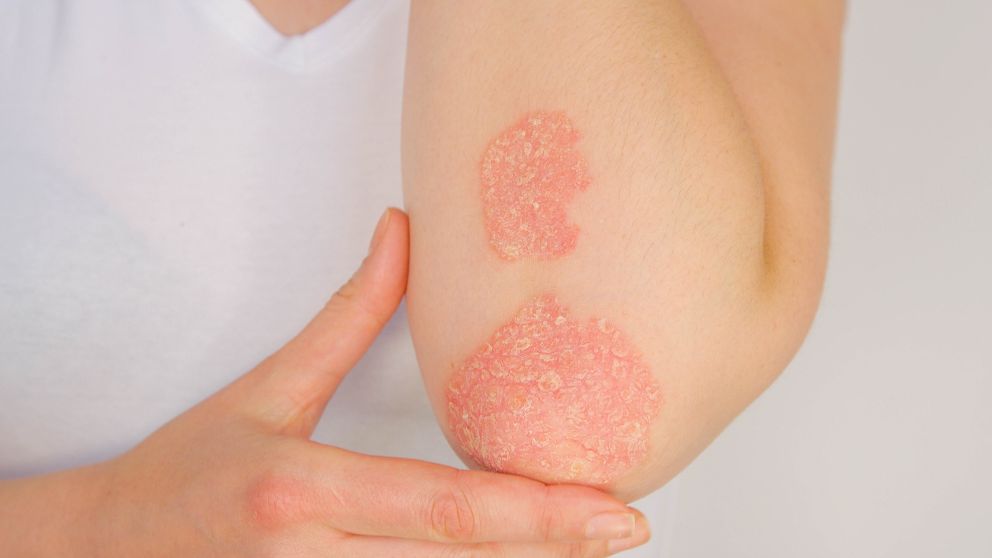
Psoriasis is a common and often bothersome skin disease that causes the rapid buildup of skin cells, leading to very dry skin and thick, red, scaly skin plaques.
While the onset of psoriasis typically occurs between the ages of 15 and 25, it can develop at any age and appears to affect men and women of all skin tones equally.
Common types of psoriasis include:
- Plaque psoriasis—the most frequent form, causing raised, red patches and silvery scales
- Scalp psoriasis—primarily affects the scalp, leading to flaking, itching, and irritation
- Nail psoriasis—characterized by discoloration and thickening of finger and toe nails
- Psoriatic arthritis—involves systemic inflammation leading to skin lesions and joint pain
Less common forms, such as guttate psoriasis and pustular psoriasis, appear as small, drop-shaped spots or white, pus-filled blisters surrounded by red, inflamed skin patches.
There’s no specific cure for this skin disorder, and topical corticosteroids are often the first-line treatment for managing mild psoriasis symptoms.
More severe cases of psoriatic disease often require medications and light therapy treatments to lower inflammation and reduce skin lesions.
According to a report published by the National Psoriasis Foundation (NPF), many individuals affected combine common psoriasis treatments with natural remedies, dietary changes, and lifestyle modifications to support skin health and prevent flare-ups.
Watch the video below to discover one of the best remedies for healthy skin.
What causes psoriasis?
Research published in Clinical Medicine highlights that the development of psoriasis appears to be due to a complex interplay of genetic predisposition, immune system dysfunction, and environmental triggers.
Psoriasis is classified as an autoimmune response, as it’s primarily caused by overactive immune cells stimulating rapid skin cell turnover.
This accelerated skin cell production leads to the buildup of thick, scaly plaques, which trigger further immune cell activation, creating a vicious cycle of skin inflammation and psoriasis symptoms.
“Certain areas, such as skin folds, the scalp, elbows, knees, hands, and feet, are more prone to friction, moisture, or repeated pressure,” says Dr. Berg. “This explains why psoriasis plaques often affect these locations.”
In addition, individuals with kidney or liver disease may experience more severe psoriasis symptoms, as impaired organ function can contribute to systemic inflammation and imbalanced immune responses.
Common triggers of psoriasis outbreaks include:
- Skin injury
- Chronic stress
- Viral or bacterial infections
- Excessive alcohol intake
- Nutritional deficiencies
- Certain medications
- Hormonal changes
- Smoking

Signs and symptoms
Psoriasis can vary in severity, ranging from small, localized patches to widespread outbreaks of broken or cracked skin.
Acute psoriasis flare-ups often cause significant skin irritation and discomfort, and sometimes can affect the nails and joints.
Common signs and symptoms of psoriasis include:
- Inflamed skin patches
- Thick, scaly skin lesions
- Joint pain or stiffness
- Nail thickening
- Scalp itching and redness
It’s crucial to consult a healthcare provider if you develop signs of psoriasis or notice your symptoms worsening.
Early diagnosis allows your doctor to treat psoriasis effectively, rule out other conditions such as skin cancer, and discuss a range of treatment options tailored to your health needs.
Natural remedies for psoriasis
While steroid creams, a widely used topical psoriasis treatment, can help manage flare-ups, these drugs often have side effects and can interfere with long-term skin health.
Unsurprisingly, many individuals with psoriasis are seeking natural support to manage symptoms and find relief.
Here are four home remedies to soothe skin irritation and relieve psoriasis symptoms.
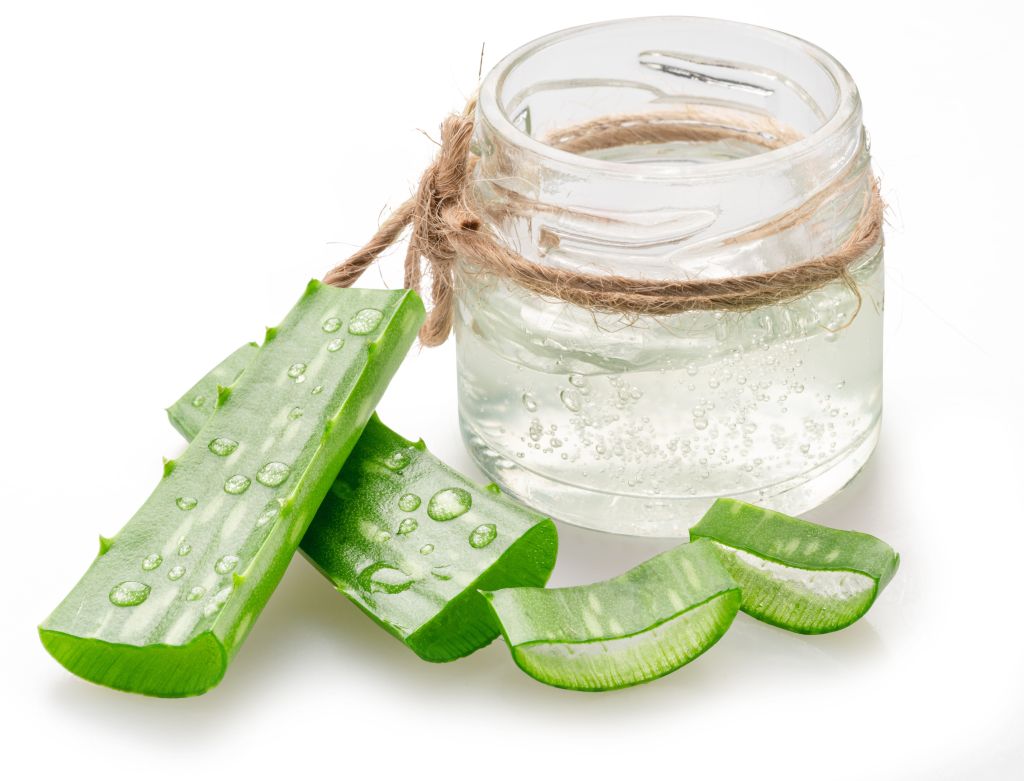
1. Aloe vera
Applying pure aloe vera gel to affected skin areas can help manage uncomfortable symptoms of various chronic skin conditions, including psoriasis and eczema.
Aloe vera is a rich source of anti-inflammatory compounds such as acemannan and glycoproteins that help calm the immune response and decrease skin redness and swelling.
A study published in Tropical Medicine & International Health investigated the potential benefits of topical aloe vera application in individuals with mild to moderate psoriasis.
The authors reported significant symptom reduction and concluded, “The regimen can be considered a safe and alternative treatment for patients suffering from psoriasis.”
2. Omega-3 fatty acids
Regularly incorporating dietary sources of omega-3 fats, such as oily fish, flaxseeds, chia seeds, and walnuts, is an excellent strategy to manage chronic skin conditions such as psoriasis.
Omega-3 fatty acids play a vital role in regulating inflammation, supporting balanced immune function, and maintaining the integrity of cell membranes, including those in the skin.
Ensuring optimal omega-3 fat intake can help reduce inflammatory flare-ups, support skin barrier function, and promote overall skin health.
This has been confirmed by a study published in the European Journal of Clinical Nutrition, highlighting that increased consumption of oily fish resulted in significant clinical improvements in psoriasis symptoms.
The authors summarize, “It is concluded that dietary advice to increase the daily intake of oily fish is a useful adjunct in the treatment of psoriasis. The fish that should be recommended include mackerel, sardine, salmon, pilchard, kipper, and herring.”
3. Apple cider vinegar
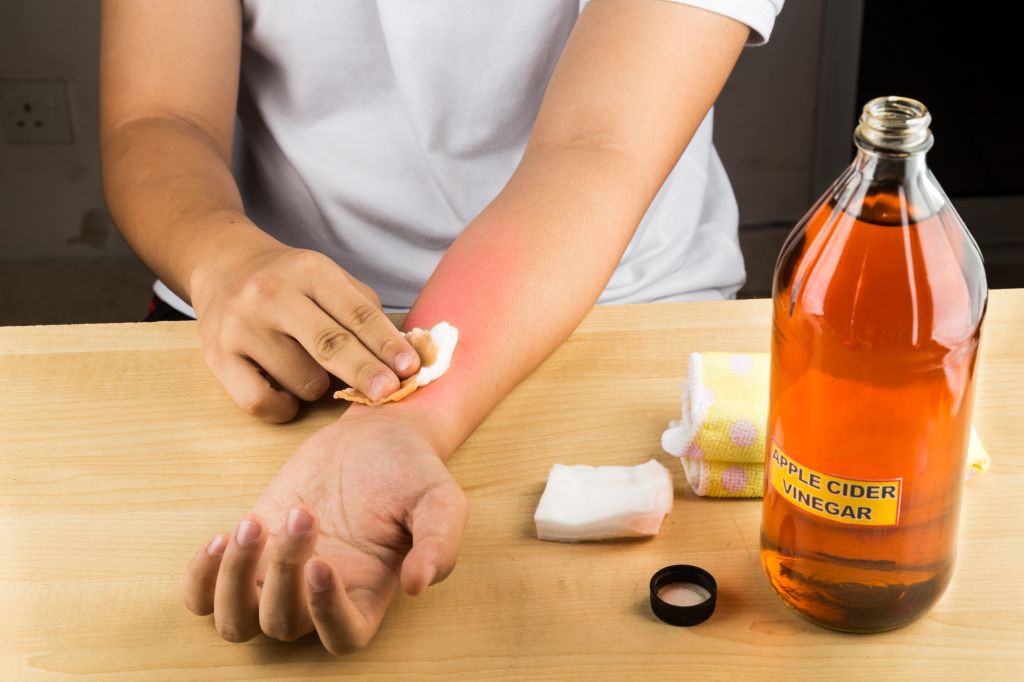
Apple cider vinegar (ACV) can help relieve symptoms of psoriasis, particularly itching and irritation, by balancing the skin’s pH and providing antimicrobial effects.
To use ACV for psoriasis management, soak a cotton ball in a solution of equal parts vinegar and water, then gently apply it to the affected areas. Leave it on for a few minutes before rinsing thoroughly.
While ACV may help relieve uncomfortable psoriasis symptoms, it should never be applied to cracked or broken skin, as this can cause significant skin irritation.
4. Turmeric
Regularly cooking with turmeric, an aromatic spice widely used in Indian cuisine, may help balance immune cell activity and reduce inflammation, both of which are crucial for addressing psoriasis.
Research published in Frontiers in Pharmacology reports that curcumin, a bioactive compound in turmeric, has been found to modulate various inflammatory and immune-mediated pathways involved in the development of psoriasis.
Because of curcumin’s anti-inflammatory properties, turmeric may also help reduce joint pain, which may be especially beneficial for those with psoriatic arthritis.
In addition to incorporating turmeric into your meals, topical treatments containing curcumin are being studied for their potential to soothe inflamed skin, reduce redness, and improve the appearance of psoriasis plaques.

4 healthy habits for psoriasis relief
In addition to a conventional treatment plan and natural remedies, adopting consistent healthy habits can help reduce flare-ups, support skin health, and improve overall well-being for people with psoriasis.
Here are four steps you can take to prevent and manage psoriasis breakouts.
1. Prioritize a nutrient-focused diet
Processed foods, added sugars, and refined carbohydrates can disrupt metabolic balance, promote inflammation, and impair immune function. This may help explain why a Western-style diet has been associated with an increased risk of psoriasis.
In contrast, a healthy diet that limits carbohydrates and avoids processed foods and sugar while focusing on nutritious whole foods can help support immune function, reduce inflammation, and improve overall skin health.
Evidence published in the Journal of Proteome Research confirms that a low-carbohydrate, ketogenic diet has shown therapeutic potential for patients with psoriasis.
Healthy Keto® is an ideal meal plan, as it emphasizes foods rich in anti-inflammatory fatty acids, polyphenols, and antioxidants, as well as nutrient-rich organic produce, full-fat dairy products, and high-quality protein sources.
2. Maintain balanced vitamin D levels
Vitamin D deficiency has been found to worsen psoriasis symptoms, which is believed to be linked to its role in regulating immune functions and skin cell growth.
Maintaining balanced vitamin D levels through adequate sunlight exposure and dietary sources, such as oily fish, egg yolks, and organ meats, can help support the immune system, promote normal cell function, and manage psoriasis.

3. Follow a gentle skin care routine
Harsh cleansers or topical creams can irritate sensitive skin, worsen inflammation, and trigger psoriasis flare-ups.
Skincare products containing small concentrations of salicylic acid are often recommended for psoriasis as they can help soften and remove thick scales, making other treatments more effective.
However, salicylic acid-containing products should be discussed with a healthcare provider to ensure they’re safe and compatible with other psoriasis treatments.
For daily skincare, it’s best to opt for mild, fragrance-free cleansers and moisturizers formulated for sensitive skin.
4. Incorporate stress management
Stress is a common trigger of psoriasis outbreaks as cortisol, which is the body’s primary stress hormone, increases inflammation and can dysregulate immune function.
Incorporating stress-reducing practices such as deep breathing, regular exercise, sufficient sleep, and scheduling enough downtime can help counteract everyday stressors and improve overall well-being.
Key takeaways
- Psoriasis is a chronic skin condition that causes rapid skin cell buildup, leading to very dry, thick, red patches covered with scales, and it can appear at any age while affecting all skin tones equally.
- Common forms include plaque, scalp, nail, and psoriatic arthritis, while less common types, such as guttate and pustular psoriasis, cause smaller spots or pus-filled blisters.
- The condition is linked to an overactive immune response influenced by genetics and environmental triggers, which drives ongoing skin inflammation and frequent flare-ups.
- Symptoms range from localized irritation to widespread plaques and may include itching, joint stiffness, nail changes, and scalp redness, with severity varying over time.
FAQ
- 1. How can I calm my psoriasis fast?
- 2. What causes psoriasis to flare up?
- 3. Does vitamin D help psoriasis?
- 4. How can I get rid of my psoriasis naturally?
Sources
- Incidence and clinical predictors of psoriatic arthritis in patients with psoriasis: A population‐based study. psoriasis.org. Accessed 2026. https://www.psoriasis.org/about-psoriasis/#treatment-management
- Raharja A, Mahil SK, Barker JN. Psoriasis: a brief overview. Clin Med (Lond). 2021;21(3):170-173. https://pmc.ncbi.nlm.nih.gov/articles/PMC8140694/
- Syed TA, Ahmad SA, Holt AH, Ahmad SA, Ahmad SH, Afzal M. Management of psoriasis with Aloe vera extract in a hydrophilic cream: a placebo‐controlled, double‐blind study*. Tropical Med Int Health. 1996;1(4):505-509. https://onlinelibrary.wiley.com/doi/abs/10.1046/j.1365-3156.1996.d01-91.x
- Collier PM, Ursell A, Zaremba K, Payne CM, Staughton RC, Sanders T. Effect of regular consumption of oily fish compared with white fish on chronic plaque psoriasis. Eur J Clin Nutr. 1993;47(4):251-4. https://pubmed.ncbi.nlm.nih.gov/8491161/
- Zhang S, Wang J, Liu L, et al. Efficacy and safety of curcumin in psoriasis: preclinical and clinical evidence and possible mechanisms. Front Pharmacol. 2022;13:903160. https://pubmed.ncbi.nlm.nih.gov/36120325/
- Castaldo G, Pagano I, Grimaldi M, et al. Effect of Very-Low-Calorie Ketogenic Diet on Psoriasis Patients: A Nuclear Magnetic Resonance-Based Metabolomic Study. J Proteome Res. 2021;20(3):1509-1521. https://pmc.ncbi.nlm.nih.gov/articles/PMC8016365/
Related Articles
-
Niacinamide vs. Niacin Supplements
 Nutrition
Niacinamide vs. Niacin Supplements
At a glance Niacinamide and niacin are both forms of vitamin B3, but there are key differences in how they function in the body. Niacin is associated with flushing and…07/03/2026 -
Does Bone Broth Break a Fast?
 Diet
DietDoes Bone Broth Break a Fast?
At a glance While bone broth is often considered fasting-friendly, it does contain calories and amino acids that can interrupt the metabolic state of fasting. While it’s rich in collagen,…03/27/2026 -
HPV Skin Tags: Causes and What to Do
 Health concerns
HPV Skin Tags: Causes and What to Do
At a glance While both skin tags and warts can be linked to human papillomavirus (HPV), they differ in appearance and how they affect the body. Targeted dietary and lifestyle…03/13/2026 16.6k views -
What Is the Top Cause of Rosacea?
 Health concerns
What Is the Top Cause of Rosacea?
At a glance Rosacea is a chronic skin condition marked by facial redness and discomfort. The cause of rosacea extends beyond the skin, with growing research highlighting the connection between…02/20/2026 8.1k views -
5 Natural Remedies for Ringworm and Prevention Tips
 Natural remedies
5 Natural Remedies for Ringworm and Prevention Tips
At a glance Ringworm is a common and highly contagious fungal skin infection that thrives in warm, moist environments. It can affect many areas of the body and is easily…02/06/2026 8.3k views -
8 Green Tea Benefits for Skin Health
 Skin health
8 Green Tea Benefits for Skin Health
At a glance Green tea is a rich source of antioxidants and polyphenols, including EGCG, which has profound skin health benefits. The anti-inflammatory, antimicrobial, and anti-aging properties of green tea…02/06/2026 19.6k views -
5 Causes of Itching and How to Get Relief
 Health concerns
5 Causes of Itching and How to Get Relief
At a glance Itching can be triggered by changes on the skin's surface or by factors such as everyday stress and hormonal imbalances. Common triggers include allergic reactions, inflammatory conditions,…01/23/2026 3.8k views -
Dark Spots on Skin: Causes and Natural Remedies
 Health concerns
Dark Spots on Skin: Causes and Natural Remedies
At a glance While dark spots on skin are a normal part of aging, they may also reflect poor lifestyle and dietary habits, and can be improved with targeted changes.…01/22/2026 6.5k views -
Does Vitamin D Help with Acne?
 Skin health
Does Vitamin D Help with Acne?
At a glance Vitamin D plays important roles in immune regulation, microbial balance, and sebaceous gland activity, all of which may lower the risk of acne. Maintaining adequate sunlight exposure…01/08/2026 36.7k views -
5 Spider Vein Natural Remedies
 Health concerns
5 Spider Vein Natural Remedies
At a glance Spider veins are often influenced by genetics, hormonal shifts, and circulatory factors. Natural remedies that support healthy circulation and vein integrity, combined with targeted lifestyle habits, may…11/20/2025 19.6k views