


At a glance
Following a no-sugar plan for two weeks can help support metabolic health by reducing hidden sugars that influence weight, mood, and digestion. Lowering sugar intake is also associated with clearer skin, improved gut microbial balance, and steadier energy throughout the day.
Eliminating sugar for just two weeks can bring noticeable benefits to your body and mind.
This simple shift can help stabilize insulin levels, lower inflammation, and reduce sugar cravings that often disrupt healthy habits.
Here’s how to get started with a no sugar for two weeks weight loss challenge, and discover the profound benefits of a sugar-free lifestyle that go beyond shedding a few pounds.
Benefits of having no sugar for two weeks
Taking a break from sugar gives your metabolism and hormones a chance to reset, helping to break the cycle of relying on quick energy fixes and restoring a more natural, balanced state.
Here are four health benefits of having no sugar for two weeks.
1. Enhanced mood regulation
High sugar intake has been linked to mood-related conditions, including anxiety and depression.
This is confirmed by a study published in BMC Psychiatry, which found that adults with high sugar intake were more likely to show signs of depression.1
It’s believed that sugar-related fluctuations in blood sugar can influence brain function and potentially impact the balance of mood-regulating neurotransmitters.
Reducing or eliminating sugar from your diet may support more stable blood sugar levels, which may contribute to steadier moods and an improved overall sense of well-being.
2. Natural weight loss
High-sugar diets, especially those rich in sucrose, which contains both fructose and glucose, can disrupt the way your body metabolizes fats and carbs.
Glucose is the body’s main energy source and is used by nearly all cells. At the same time, fructose, commonly found in fruits and high-fructose corn syrup, is primarily metabolized by the liver, where excessive intake can lead to greater fat production.
In addition, eating large amounts of refined sugar can significantly increase calorie intake and promote fat storage, which contributes to weight gain and a higher risk of obesity.
By cutting out sugar, many people notice shifts in energy, appetite, and cravings. As the body begins to regulate insulin more effectively, it often becomes easier to burn fat, supporting natural weight loss.
3. Better skin health
Sugar consumption has long been associated with negative impacts on skin health.
Research published in Clinics in Dermatology found that sugar can contribute to skin aging by damaging collagen and elastin, two crucial proteins that maintain skin integrity and firmness.2
The study further explains that when blood sugar levels are high, glucose molecules bind to these proteins, forming harmful compounds known as advanced glycation end products (AGEs), which render the skin less elastic and more difficult to repair.
This process happens faster when blood sugar is consistently elevated and can be worsened by excessive sun exposure.
Eliminating sugar from your diet can help minimize AGE production and promote clearer skin.
3. Promotes healthy digestive functions
The gut microbiome plays a crucial role in digestion, influencing how the body absorbs nutrients and manages waste.
Eating too much sugar has been linked to changes in the gut microbiome, potentially disrupting the balance of beneficial bacteria.
Reducing sugar may help support a healthier microbial environment, which in turn promotes better digestion and overall gut health.
“High levels of sugar can promote inflammation in the gut by interfering with the proteins that maintain the integrity of the intestinal lining,” explains Dr. Berg. “This can lead to leaky gut, allowing harmful substances to enter the bloodstream.”
Conversely, consuming a diet low in added sugars and rich in whole foods can boost the growth of beneficial bacteria and support a healthy gut microbiome.
Watch the video below to learn what happens when you give up sugar for two weeks.
How it works
A two-week no-sugar diet plan can help shift your body from burning glucose to using fat as its main source of energy, especially when other carbohydrates like pasta, rice, bread, and flour are also reduced or eliminated.
As sugar and carb intake decreases, glycogen stores become depleted, prompting the body to break down fat to generate energy.
Cutting out excess sugar helps stabilize blood sugar levels and enhances your body’s ability to tap into stored fat for energy.
Incorporating intermittent fasting can amplify fat-burning by prolonging the time your body depends on stored energy. This extended fasting window may boost the breakdown of belly fat and support greater metabolic flexibility.
Together, these changes can enhance metabolic balance and promote sustainable weight loss without the need for strict calorie counting.
How to cut out sugar
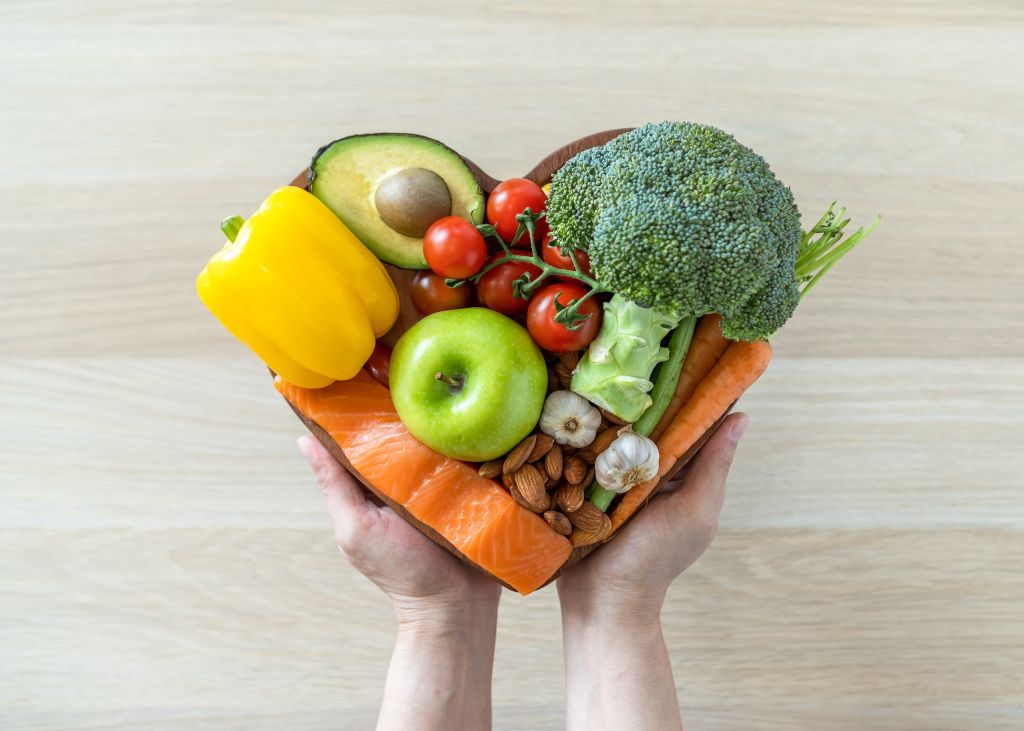
Many people are unaware of how much sugar they eat throughout the day, particularly from hidden sources such as cereals, sauces, condiments, and beverages.
Becoming more aware of the sugar content of your foods is the first step. Start by reading nutrition labels carefully and tracking your intake to understand the sources of added sugars in your diet.
To make the transition easier, replace the sweet stuff, including candy and baked goods, with natural options, such as fresh fruit and homemade sugar-free treats.
Look for sugar-free alternatives that don’t rely on artificial sweeteners, which can trigger cravings, making it harder to stay on track with the no-sugar challenge.
Instead, choose products sweetened with monk fruit extract or stevia. These natural alternatives provide sweetness without the blood sugar spikes or metabolic drawbacks of regular table sugar.
As you stop eating sugar, you might experience cravings and sugar withdrawal symptoms such as headaches, fatigue, or mood swings.
Fortunately, these side effects are temporary and typically improve within a few days, especially if you stay well-hydrated and get plenty of sleep.
In addition, pairing these nutritional changes with regular exercise supports better overall health and helps your body adjust more smoothly to limiting your sugar intake.
What to eat and avoid on a no-sugar diet
When starting a no-sugar diet, figuring out which foods to eat and which ones to eliminate can feel overwhelming.
To help you get started, here are a few tips for recognizing the best and worst food choices.
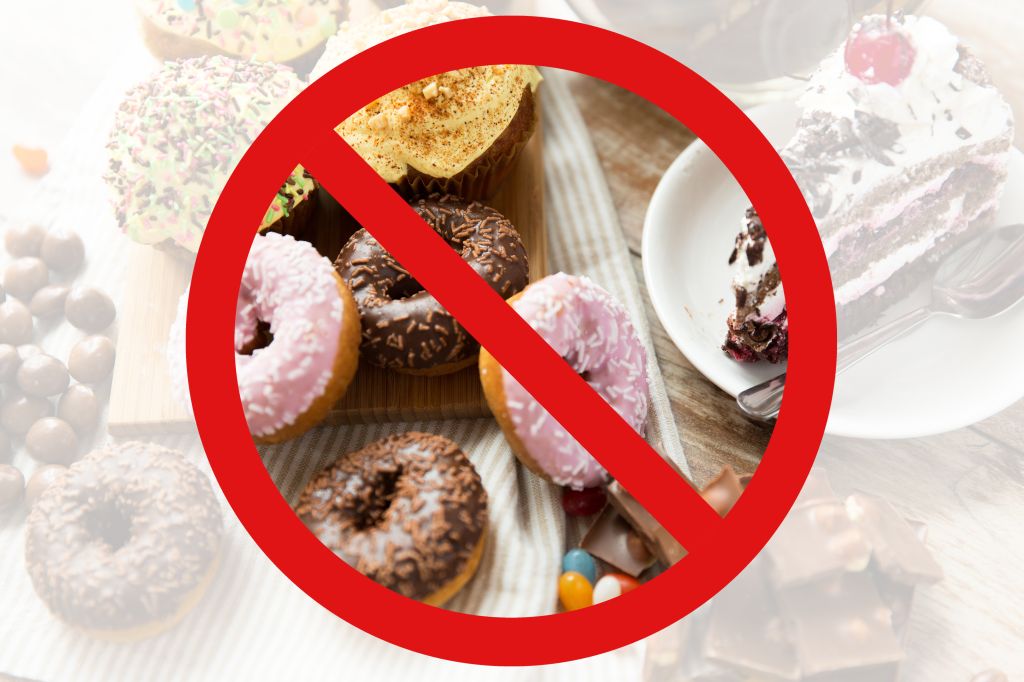
Foods to avoid
- Sugary drinks, including sodas, sweetened coffees, fruit juices, and energy drinks
- White bread and refined grains
- Packaged snacks and desserts, such as granola bars, dried fruits, and cookies
- Processed foods, including sauces, condiments, and canned foods
Foods to eat
- Healthy fats, particularly from nuts, coconut and olive oil, and avocados
- Grass-fed meat
- Organic full-fat dairy
- Pasture-raised eggs
- Wild-caught fatty fish and seafood
- Non-starchy vegetables
- Coconut and almond flour, for baking
- Berries
- Fermented foods
Key takeaways
- Cutting out sugar for two weeks helps reset metabolism and supports natural fat-burning processes.
- Lower sugar intake promotes steadier moods and energy levels by helping maintain balanced blood sugar levels.
- Limiting added sugars helps protect collagen and elastin, supporting healthy, youthful-looking skin while promoting a balanced gut microbiome and better digestive function.
- To successfully cut out sugar, focus on identifying hidden sugars in packaged foods, replace sweets with low-carb alternatives, and use natural sweeteners such as stevia or monk fruit. Additionally, stay hydrated and well-rested.
FAQ
- Will I lose weight if I have no sugar for two weeks?
- Can I eat fruit on a no-sugar diet?
- Can I have coffee if I cut out sugar?
- What are healthy sugar substitutes?
- Will quitting sugar give me more energy?
Sources
- https://pmc.ncbi.nlm.nih.gov/articles/PMC10851576/#Sec8 ↩︎
- https://pubmed.ncbi.nlm.nih.gov/20620757/ ↩︎
Related Articles
-
What Are Ketones? How Your Body Makes and Uses Them
 Alternative diets
What Are Ketones? How Your Body Makes and Uses Them
At a glance Ketones, also known as ketone bodies, serve as a vital alternative fuel source that the body creates when carbohydrate intake drops. Produced by the liver from dietary…10/08/2026 -
Ketones vs. Glucose: How Your Body Uses Fuel
 Diet
DietKetones vs. Glucose: How Your Body Uses Fuel
At a glance Ketones and glucose are two fuels the body can use, but they are produced and used under different metabolic conditions. Glucose is closely tied to carbohydrate intake,…08/13/2026 -
How to Spot Hidden Carbs
 Keto
KetoHow to Spot Hidden Carbs
At a glance Hidden carbs are found in many everyday foods that may not appear high in carbohydrates, including sauces, processed meats, dairy products, and salad dressings. These overlooked sources…06/05/2026 -
Do Vitamins Break a Fast? What to Take and What to Avoid
 Fasting
Do Vitamins Break a Fast? What to Take and What to Avoid
At a glance While it’s crucial to support nutrient balance during fasting, certain dietary supplements are formulated with ingredients that can trigger insulin release and break the metabolic fasting state.…04/10/2026 -
What Is Metabolic Flexibility? Why Ketosis Is the Better Goal
 Diet
DietWhat Is Metabolic Flexibility? Why Ketosis Is the Better Goal
At a glance Metabolic flexibility is an indicator of how easily cells can switch between fuel sources, which reflects cellular integrity and overall metabolic health. While poor metabolic flexibility can…03/19/2026 -
Why You’re Not Losing Belly Fat on Keto
 Diet
DietWhy You’re Not Losing Belly Fat on Keto
At a glance Shedding stubborn belly fat may require more than cutting carbs. Insulin levels, stress hormones, liver function, and muscle mass all influence how efficiently your body can access…02/20/2026 13k views -
9 Fast Fat-Burning Methods That Actually Work
 Diet
Diet9 Fast Fat-Burning Methods That Actually Work
At a glance Eating habits strongly influence whether your body enters fat-burning mode by shifting how it produces energy. When carbohydrate intake stays low, blood glucose levels fall, allowing the…12/12/2025 23.3k views -
Benefits of Combining Keto with Intermittent Fasting
 Uncategorized
Benefits of Combining Keto with Intermittent Fasting
Both intermittent fasting and keto are powerful strategies that can help you burn fat, stabilize blood sugar levels, reduce the risk of insulin resistance, and promote overall metabolic health. Discover…11/13/2025 4.7k views -
Ketosis vs. Ketoacidosis: The Important Differences
 Keto
KetoKetosis vs. Ketoacidosis: The Important Differences
At a glance While ketosis and ketoacidosis may sound similar, they’re very different metabolic states. Nutritional ketosis is a controlled and beneficial process in which the body burns fat to…04/09/2025 11.6k views -
How Long Does It Take to Get into Ketosis?
 Keto
KetoHow Long Does It Take to Get into Ketosis?
At a glance Ketosis occurs when your body begins burning fat for energy instead of sugar, while keto-adaptation marks the point when your metabolism has fully adjusted to using ketones…04/09/2025 236k views