


At a glance
OMAD is a fasting method that consolidates daily calorie intake into one meal, extending fasting to approximately 23 hours. Because metabolic efficiency primarily depends on dietary composition, hormones, and lifestyle factors, OMAD doesn’t inherently slow metabolism. When paired with a low-carb, nutrient-dense keto diet, OMAD can support metabolic health, boost weight loss, and improve cognitive function.
One meal a day (OMAD) is an intermittent fasting pattern that restricts caloric intake to a single meal per day. But does OMAD slow metabolism?
No, OMAD doesn’t typically reduce your metabolic rate. However, metabolic efficiency may decline if OMAD is paired with extreme calorie restriction or a high-carbohydrate load, which can limit fat oxidation and impact metabolic flexibility.
Discover key factors that influence metabolic processes and learn how to maximize the potential health benefits of OMAD for sustainable fasting success.
What is OMAD?
OMAD is an intermittent fasting pattern in which daily calorie intake is restricted to a single meal or a limited eating window, typically around one hour.
This structure creates an extended fasting period of 23 hours, which helps stabilize blood sugar levels and insulin, the body’s key glucose-regulating hormone, for the majority of the day.
OMAD is designed to promote metabolic balance and weight loss by forcing the body to burn fat instead of glucose to generate cellular energy, a physiological state known as ketosis.
Watch the video below to learn more about the benefits of OMAD.
Does OMAD slow metabolism?
Whether OMAD has positive or potentially negative impacts on metabolic efficiency largely depends on the composition of the meals.
When OMAD is combined with meals consisting of high carbohydrates, the body will respond with a significant insulin release, which temporarily suppresses fat burning and shifts energy use toward glucose. Over time, this pattern may reduce metabolic flexibility and limit the body’s efficiency at accessing stored fat, particularly if overall calories are insufficient.
In this case, the extended fasting window combined with caloric restriction triggers energy conservation and reduces metabolic rate, especially in those affected by metabolic conditions, such as insulin resistance or metabolic syndrome.
However, OMAD combined with a low-carb, high-fat diet supports stable insulin levels and promotes fat adaptation, allowing the body to access stored fat for energy during the fasting window efficiently.
“When energy is supplied from internal fat stores, the body is less likely to interpret OMAD as a harmful calorie restriction,” explains Dr. Berg. “This supports metabolic efficiency, encourages sustainable weight loss, and helps maintain overall health.”
Additionally, fasting for up to 24 hours can increase the body’s metabolic rate by as much as 14 percent through the action of norepinephrine, a hormone and neurotransmitter that mobilizes stored fat during periods of caloric restriction.
What actually influences metabolism
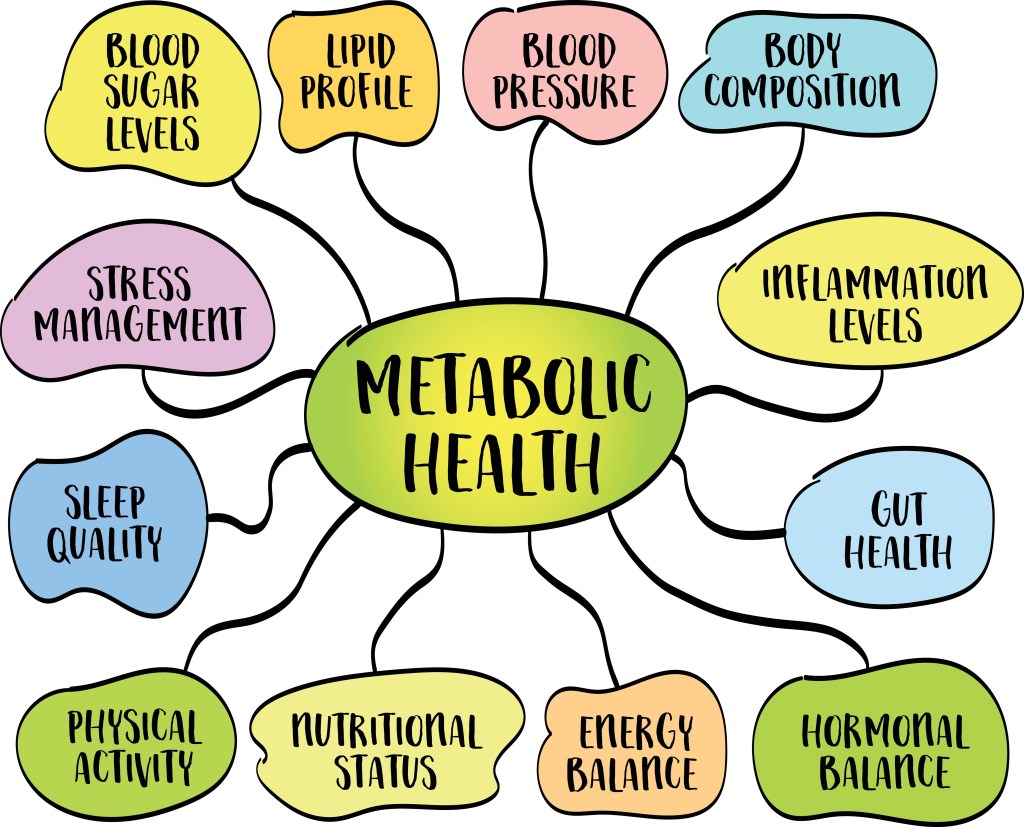
Genetic predisposition primarily determines a person’s metabolic body type and body composition. However, hormone levels, nutrition, and daily habits ultimately dictate metabolic function and overall weight management.
Insulin regulation has a profound effect on metabolic functions. When insulin remains elevated, it signals the body to store excess blood sugar as fat. In contrast, stable insulin levels allow the liver to utilize stored fat for energy production, thereby supporting a more efficient metabolism.
This explains why diets high in refined carbohydrates and sugar, which directly increase insulin levels, are primary contributors to a slow metabolism and weight gain.
Your activity levels also influence metabolic processes. A sedentary lifestyle can lead to reduced muscle mass and impaired insulin sensitivity, slowing down the metabolic functions over time. Regular physical activity helps increase and maintain lean muscle mass, thereby raising resting metabolic rate.
In addition, sleep quality plays a critical role in glucose regulation and hormonal balance, both of which influence the body’s ability to burn fat.
Inadequate sleep disrupts insulin sensitivity and the regulation of appetite-regulating hormones, slowing the metabolic rate and promoting fat storage. Conversely, consistent and sufficient sleep supports efficient fat utilization and metabolic stability.

Benefits of OMAD
When combined with a nutrient-dense, low-carb diet, OMAD is an effective approach for weight loss. However, its benefits extend beyond weight management, having lasting impacts on metabolic health and overall well-being.
Here are five incredible benefits of one meal a day.
1. Triggers autophagy
Fasting for 18 hours or more triggers autophagy, the body’s natural cellular recycling system. During autophagy, damaged proteins and organelles are broken down and repurposed for energy production.
OMAD extends daily fasts to up to 23 hours, creating an optimal environment for autophagy to enhance the body’s resistance to oxidative stress, improve insulin sensitivity, and boost fat mobilization.
These effects are associated with a reduced risk of type 2 diabetes, cardiovascular disease, and certain types of cancer.
2. Supports cognitive health
OMAD may help support brain function by stimulating the production of brain-derived neurotrophic factor (BDNF), a protein that promotes the growth and resilience of neurons.
Intermittent fasting also triggers the production of ketones, a group of organic acids that act as a more efficient fuel source for the brain than glucose.
A study published in The Journal of Nutrition, Health and Aging found that intermittent fasting may improve cognitive performance, learning, and memory, while also reducing the risk of neurodegenerative diseases, such as Alzheimer’s.

3. Enhances skin health
Following the OMAD diet may support healthier skin by reducing systemic inflammation and inducing autophagy, which promotes skin cell renewal, improves barrier function, and facilitates tissue repair.
Research published in the Archives of Dermatological Research found that intermittent fasting routines can improve acne lesions, likely by reducing oxidative stress and modulating the body’s immune response.

4. More stable mood and energy
Reduced meal frequency can contribute to more stable moods and steady energy by minimizing post-meal blood sugar and insulin fluctuations often associated with irritability and fatigue.
Intermittent fasting may also increase the release of serotonin and endorphins in the brain, which help regulate mood and emotional wellness.
Evidence published in Psychiatry Research found that intermittent fasting improved a subjective feeling of well-being and increased happiness in subjects with psychiatric mood disorders.
5. Reduced hunger and cravings
Consuming three meals a day, along with frequent snacking, can lead to repeated spikes and drops in blood sugar and insulin levels. As glucose levels fall, these fluctuations stimulate hunger and cravings, reinforcing a cycle of eating driven by hormonal signals rather than actual energy needs.
However, the OMAD diet allows prolonged periods without food intake, enabling glucose, insulin, and appetite-regulating hormone levels to stabilize.
A study published in Cell Metabolism found that “Time-restricted feeding substantially reduced the desire, and the capacity to eat in the evening. Participants also reported that time-restricted feeding dramatically increased sensations of fullness.”

Tips for success on OMAD
OMAD can be challenging to follow, especially for those who are new to fasting or accustomed to eating several meals daily.
Here are five tips for lasting OMAD success.
1. Transition gradually
Beginning with three nutrient-focused, low-carb meals per day, while eliminating snacks, helps reduce habitual eating and stabilize insulin and blood sugar levels.
As hunger diminishes and fasting tolerance improves, food intake can be reduced to two meals before transitioning into the OMAD diet.
This approach helps minimize hunger, fatigue, and cravings, while allowing the body to adapt to longer fasting periods and improved fat utilization.
2. Follow a nutritious ketogenic diet
If you aren’t losing weight with OMAD, it may be due to consuming too many carbohydrates.
Adopting a low-carb, high-fat diet, such as Healthy Keto®, allows the body to tap into stored fat, promoting stable energy and weight loss during fasting.
Keep in mind that eating too much fat can also plateau weight loss, as the body prioritizes dietary fat over body fat. Balanced fat intake is essential for inducing ketosis and maximizing the metabolic benefits of OMAD.

3. Prioritize nourishing fats
Healthy fats, such as those found in avocados, olive oil, nuts, and fatty fish, help sustain energy and suppress hunger during extended fasting periods. Adequate fat intake can help reduce cravings and improve adherence to intermittent fasting.
When combined with a low-carb diet, eating fats to satiety also helps maintain low insulin levels and ketosis, supporting metabolic efficiency and sustained energy levels.
4. Prioritize sleep and stress management
Chronic stress and poor sleep elevate cortisol, a primary stress hormone that interferes with fat metabolism and blood sugar regulation, potentially intensifying hunger and cravings.
Lowering stress through physical activity, spending time in nature, and engaging in hobbies, combined with at least seven hours of quality sleep, promotes optimal appetite regulation and makes OMAD adherence less challenging.

5. Incorporate moderate amounts of high-quality protein
High-quality protein sources, such as eggs and grass-fed beef, preserve lean muscle mass, which is crucial for maintaining a healthy metabolic rate while following the OMAD diet.
Prolonged time-restricted eating forces the body to rely on stored fat or protein to generate cellular energy, and sufficient protein intake protects muscle tissue from breakdown, especially in lean individuals.
Key takeaways
- Does OMAD slow metabolism? No, eating just one meal a day typically boosts metabolic processes by improving insulin sensitivity and enhancing fat oxidation.
- Combining OMAD with high-carb meals can inhibit fat burning and reduce metabolic efficiency.
- When paired with a nutritious low-carb diet, quality sleep, exercise, and stress management, OMAD can significantly benefit skin, cardiometabolic, and brain health.
- OMAD is linked to reduced hunger and cravings, as well as more stable mood and energy levels, due to improved hormonal and metabolic regulation.
FAQ
1. Does OMAD affect metabolism?
2. Will my metabolism slow down if I fast for one day?
3. Why am I no longer losing weight on OMAD?
4. What are the benefits of doing OMAD?
Sources
- Beveridge J, Montgomery A, Grossberg G. Intermittent fasting and neurocognitive disorders: What the evidence shows. The Journal of nutrition, health and aging. 2025;29(4):100480. https://www.sciencedirect.com/science/article/pii/S127977072500003X
- Omar SI, El-Mulla KF, Eldabah N, El-Busaidy A. The effects of Ramadan fasting on acne vulgaris: clinical, immunological, and oxidative status considerations. Arch Dermatol Res. 2024;317(1):97. https://pubmed.ncbi.nlm.nih.gov/39666154/
- Fond G, Macgregor A, Leboyer M, Michalsen A. Fasting in mood disorders: neurobiology and effectiveness. A review of the literature. Psychiatry Research. 2013;209(3):253-258. https://www.sciencedirect.com/science/article/abs/pii/S0165178112008153
- Sutton EF, Beyl R, Early KS, Cefalu WT, Ravussin E, Peterson CM. Early Time-Restricted Feeding Improves Insulin Sensitivity, Blood Pressure, and Oxidative Stress Even without Weight Loss in Men with Prediabetes. Cell Metab. 2018;27(6):1212-1221.e3. https://pmc.ncbi.nlm.nih.gov/articles/PMC5990470/
Related Articles
-
Why You Feel Hungry: The Role of Hunger Hormones
 Keto
KetoWhy You Feel Hungry: The Role of Hunger Hormones
At a glance Hormones are chemical messengers that regulate appetite, satiety, and energy homeostasis. Key hunger hormones, such as ghrelin, leptin, and insulin, signal when to eat and when to…05/15/2026 -
How to Break a Weight Loss Plateau: 9 Simple Ways
 Keto
KetoHow to Break a Weight Loss Plateau: 9 Simple Ways
At a glance Weight loss plateaus typically occur when the body adapts to dietary and lifestyle changes, resulting in reduced energy requirements. Factors such as insulin resistance, poor sleep, and…05/08/2026 -
Can Benfotiamine Help With Tinnitus?
 Nervous system health
Can Benfotiamine Help With Tinnitus?
At a glance Tinnitus may be linked to poor blood sugar control and metabolic stress, which can affect nerve function in the auditory system. Benfotiamine, a fat-soluble form of vitamin…03/27/2026 17.4k views -
What Is Metabolic Flexibility? Why Ketosis is the Better Goal
 Diet
DietWhat Is Metabolic Flexibility? Why Ketosis is the Better Goal
At a glance Metabolic flexibility is an indicator of how easily cells can switch between fuel sources, which reflects cellular integrity and overall metabolic health. While poor metabolic flexibility can…03/19/2026 -
Dry Fasting and Autophagy: What to Know
 Diet
DietDry Fasting and Autophagy: What to Know
At a glance Dry fasting involves temporarily avoiding all food and water intake, which allows the body to focus on cellular repair processes by triggering autophagy. If practiced for short…03/06/2026 4.1k views -
Potential Side Effects of Fasting and How to Avoid Them
 Diet
DietPotential Side Effects of Fasting and How to Avoid Them
At a glance Fasting is widely used to support metabolic health and weight management. While many people tolerate this eating pattern well, others may experience side effects of fasting. Understanding…01/23/2026 11.7k views -
6 Reasons You Feel Tired and Fatigued After Eating
 Diet
Diet6 Reasons You Feel Tired and Fatigued After Eating
At a glance Feeling tired after eating can signal underlying blood sugar and metabolic imbalances. High-carb meals, poor digestion, and frequent snacking can cause post-meal fatigue by disrupting insulin and…12/31/2025 26.1k views -
9 Fast Fat-Burning Methods That Actually Work
 Diet
Diet9 Fast Fat-Burning Methods That Actually Work
At a glance Eating habits strongly influence whether your body enters fat-burning mode by shifting how it produces energy. When carbohydrate intake stays low, blood glucose levels fall, allowing the…12/12/2025 23.3k views -
What Is the Best Way to Lose Weight? 5 Tips for Success
 Diet
DietWhat Is the Best Way to Lose Weight? 5 Tips for Success
At a glance Healthy, sustainable weight loss depends on supporting metabolic balance rather than restricting calories. Focusing on nutrient-dense foods and habits that promote normal blood glucose levels and insulin…10/30/2025 -
The 4 Best Exercises to Lose Weight
 Diet
DietThe 4 Best Exercises to Lose Weight
At a glance The best exercises for weight loss support hormone balance, encourage metabolic flexibility, and build lean muscle to support ongoing fat burning. Pairing strategic movement and proper recovery…10/24/2025


